Sri Lanka abstains as UN extends rights chief Türks mandate
Sri Lanka abstains as UN extends rights chief Türks mandate by Thusiyan
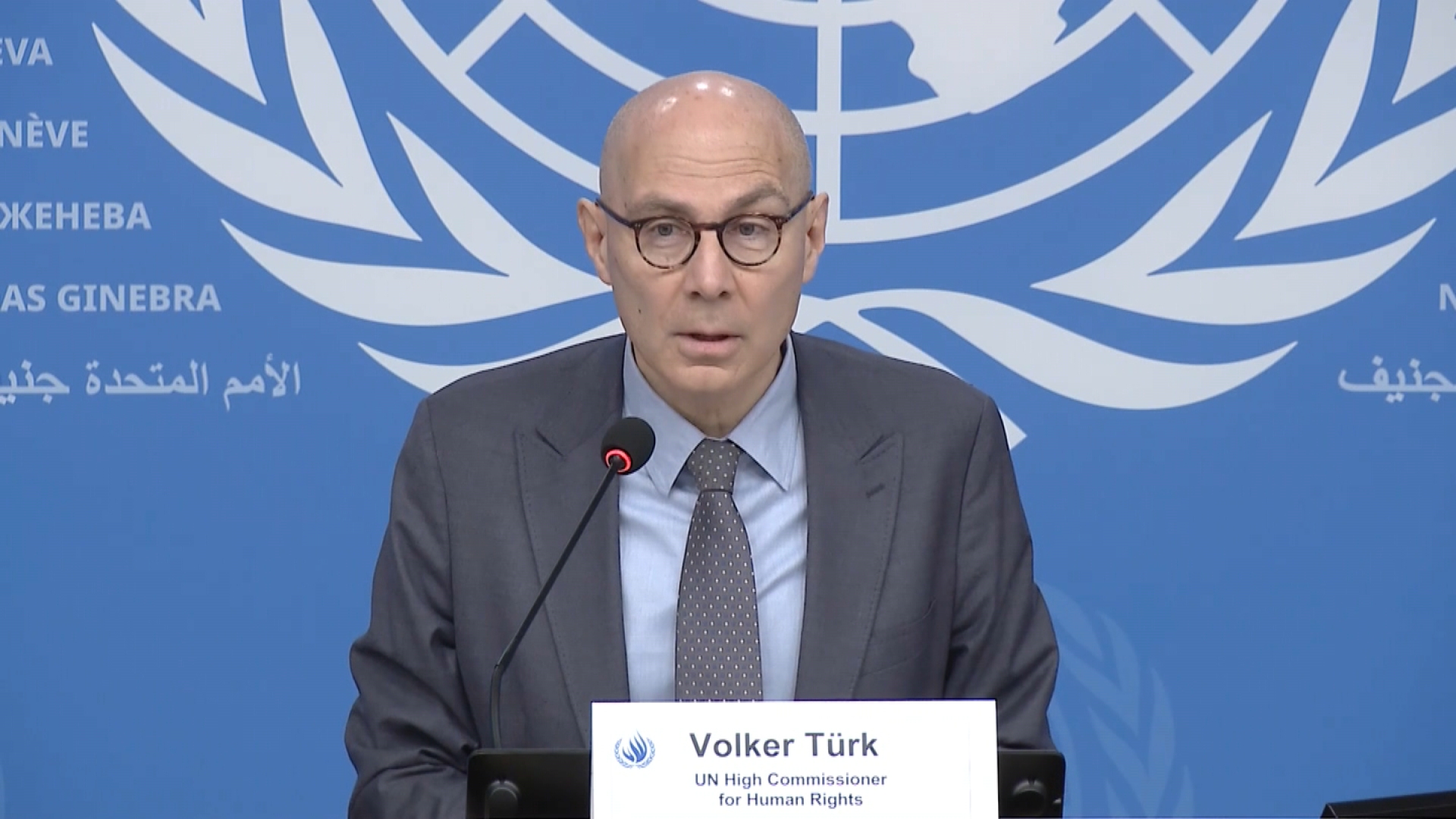
Sri Lanka abstained as the UN General Assembly voted to extend Volker Türks term as UN High Commissioner for Human Rights, one of only 13 countries out of 167 to decline to take a position on the future of the official who has continued to press Colombo over accountability for wartime atrocities.
The assembly renewed Türks mandate for a second four-year term, from October 2026 through 2030, by 144 votes to 10, with the extension proposed by UN Secretary-General António Guterres. The United States, Russia and Israel were among the ten states that voted against, while China voted in favour. A Russian counter-proposal to extend the mandate only until the end of 2026, and a US request to postpone the vote, were both rejected.
Sri Lanka joined a small group of abstaining states that included Belarus, Ecuador, Guyana, Iraq, New Zealand, Paraguay, Peru, the Republic of Korea, South Sudan, Suriname and Uganda. Rights observers noted that the abstention was significant given the High Commissioners continued reporting on accountability, enforced disappearances and systemic human rights concerns on the island.
The abstention came less than a year after Türk became the first UN High Commissioner for Human Rights to visit Sri Lanka since 2016. He spent four days on the island, travelling to Kandy, Trincomalee and Jaffna, where he visited the Chemmani mass grave site. The Foreign Minister, Vijitha Herath, told parliament that Türk "came at the invitation of the government less than a year after we assumed office", and the Foreign Ministry cast the visit as a chance for him to witness the countrys "momentum of change".
In a report to the UN Human Rights Council in September 2025, Türk struck a tone seen as more favourable to the government than previous assessments, but warned that promises had to be matched by action. Sri Lanka, he wrote, had "an historic opportunity to heal from the cycles of violence and impunity that have dominated for decades", with a mandate for "transformative reforms, accountability, truth and justice", but cautioned that the opportunity would be lost without a "coherent, time-bound plan" for implementation.
The clearest point of friction was Türks call for the Council to continue supporting the OHCHR Sri Lanka Accountability Project (SLAP), which gathers and preserves evidence of violations for future prosecutions. Colombo has rejected it outright. "The government is opposed to any external mechanism imposed on us such as the Sri Lanka Accountability Project," Herath told the Council, arguing that such mechanisms would "create divisions" and undermine nationally owned processes.
The abstention comes as Tamil families of the disappeared, most recently at Chemmani, continue to reject domestic accountability mechanisms as incapable of delivering justice, and to demand an independent international investigation and the preservation of evidence that the Accountability Project was established to protect.
மேலும் படிக்க »
இந்த செய்தியைப் பற்றிய கருத்தை பதிவு செய்யுங்கள். மேலும் இந்த செய்தியை உங்கள் நண்பர்களுடன் பகிர்ந்து கொள்ளுங்கள்.