Why did they need to shoot my son? Court to examine 15 witnesses over teenagers killing
Why did they need to shoot my son? Court to examine 15 witnesses over teenagers killing by Thara
A court has ordered a preliminary inquiry into the fatal police shooting of a 17-year-old Tamil boy in Allaipiddy, Jaffna, six months after his death, following a report from Sri Lankas Criminal Investigation Department that 15 individuals should be examined in connection with the case.
The case was taken up on Friday, where lawyers representing the family of Albino Arul Pius, also known as Ayubraj Arul, urged the court to expedite the investigation. Taking the request into consideration, the court issued directions for a fast-tracked inquiry.
.jpeg)
The magistrate ordered that two civilians, officers from the Oorkaavathurai Police, investigators from the Jaffna Crime Investigation Division, the Judicial Medical Officer and other relevant individuals, 15 witnesses in total, be summoned to court on 4 September for preliminary examination, and instructed that summonses be issued immediately.
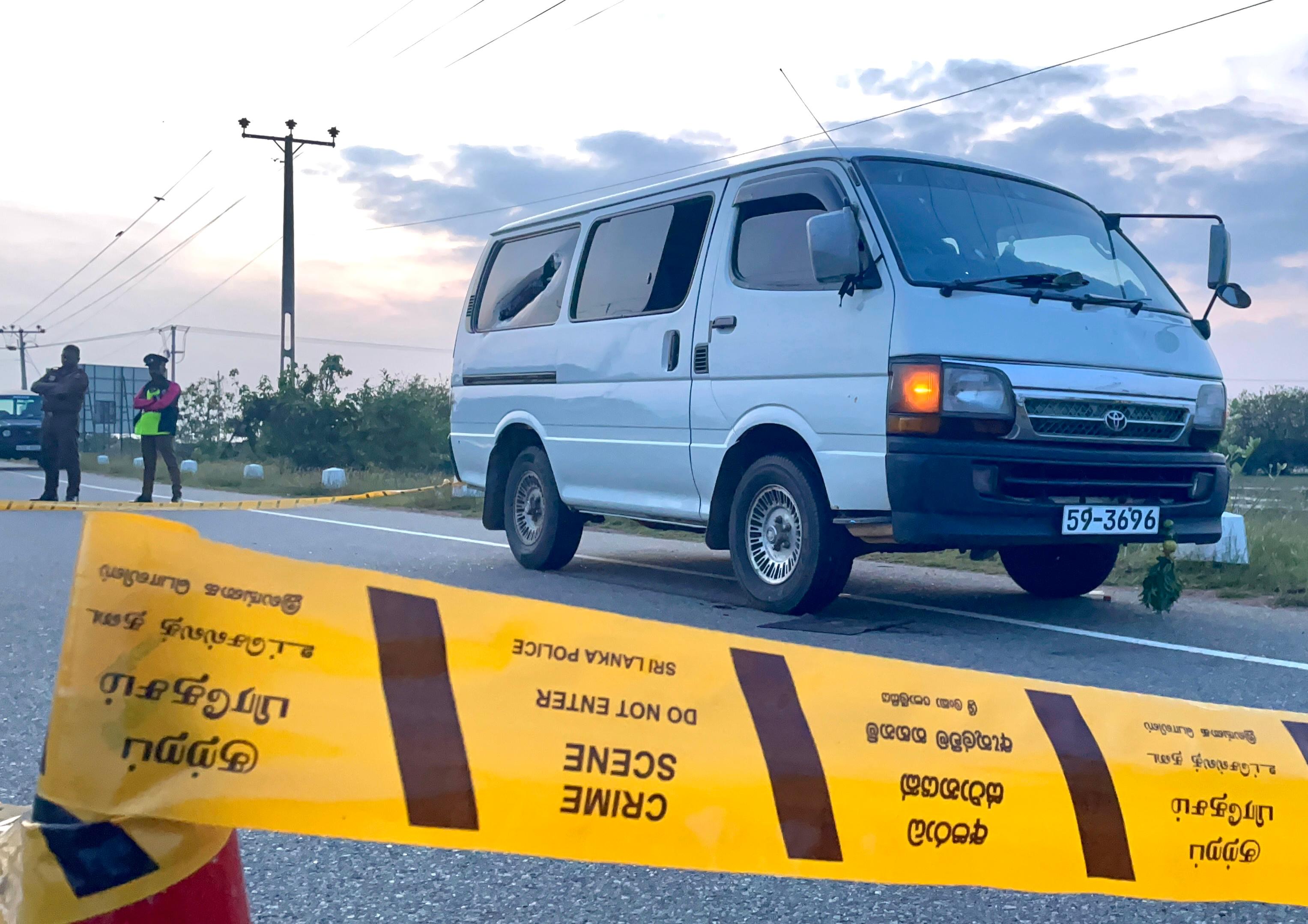
The case relates to the early hours of 10 February in Allaipiddy, Velanai, when police officers fired at a Hiace van at around 1.15am. Police claimed the vehicle failed to stop so they shot at the van, killing the teenager who was driving.
Arul Pius, from Sithankeni in Vaddukoddai, had begun working as a driver at 17 because of severe economic hardship, ferrying labourers to earn a living. His aunt said he had been travelling to Velanai to pick up workers when police opened fire. She disputed the police account, saying that although he did not hold a driving licence he had continued working by paying bribes to officers. "They shot and killed him unjustly," she said.
An autopsy at Jaffna Teaching Hospital found that the fatal bullet entered his forehead, penetrated his head and pierced his brain. Speaking at a protest after his death, his mother said: "If my son had been involved in anything bad, there would have been cases against him at the divisional police or courts but nothing has been lodged against him." She asked: "They could have shot at the vans tyre, why did they need to shoot my son?"
Six months of unanswered questions
The killing prompted protests across Jaffna, with demonstrators holding placards reading "arrest the police" and demanding justice for the boy. Police were also accused of misstating his age in the immediate aftermath, before his family confirmed he was 17.
In March, lawyers for the family told the court they had no confidence in the police investigation, noting that the bullet which caused the death had still not been recovered, and that if it had passed through the vans windscreen there should have been visible evidence of penetration, which had not been identified. They pointed to a report dated 10 February by the officer in charge of the District Crime Prevention Division, which identified the bullets used as coming from firearms issued to two named police constables. Despite that finding, neither officer had been arrested or named as a suspect. Police rejected the criticism and said the investigation was being conducted properly. The court subsequently transferred the investigation to the Colombo-based CID.
In April, the family reported ongoing intimidation, saying unidentified individuals had followed and threatened them in the weeks after the death, including two men on a motorcycle in what relatives described as a threatening manner. A complaint supported by photographic and video evidence was lodged with the Human Rights Commission of Sri Lanka, whose Jaffna coordinator instructed the district superintendent of police to investigate. Relatives had earlier said that a person identifying himself as an officer from the Vaddukoddai police station telephoned them to ask whether they intended to protest using the boys body.
Responding to the killing, the Tamil National Council leader Gajendrakumar Ponnambalam questioned police accountability, saying that even in a non-conflict setting such as Jaffna the use of lethal force in such circumstances could not be justified, noting that the Sri Lankan president himself moves freely through the streets of the city.
மேலும் படிக்க »
இந்த செய்தியைப் பற்றிய கருத்தை பதிவு செய்யுங்கள். மேலும் இந்த செய்தியை உங்கள் நண்பர்களுடன் பகிர்ந்து கொள்ளுங்கள்.