
Sri Lanka’s prison crisis
Sri Lanka’s prison crisis by Viruben
The Sri Lankan government is considering criminal justice reforms to address its drug epidemic and overcrowded prisons, but police and military corruption underlie the crisis. These discussions follow the Negombo prison riots which left 26 detainees killed and over 100 injured.
Proposals being considered include greater funding for military-run “rehabilitation programs”, converting a hospital into a prison, greater use of house arrest and potential use of the death penalty.
Currently, Sri Lanka holds an estimated 42,000 people in prisons designed for about 10,400—roughly three to four prisoners for every official place. Nearly three-quarters had not been convicted, and drug-related detention accounted for a majority of the incarcerated population. The Committee for Protecting Rights of Prisoners has also raised alarms over the staggering number of deaths in custody, reporting to the UN that Sri Lanka had recorded 184 prison deaths in 2024 and seven custodial deaths already in 2026.
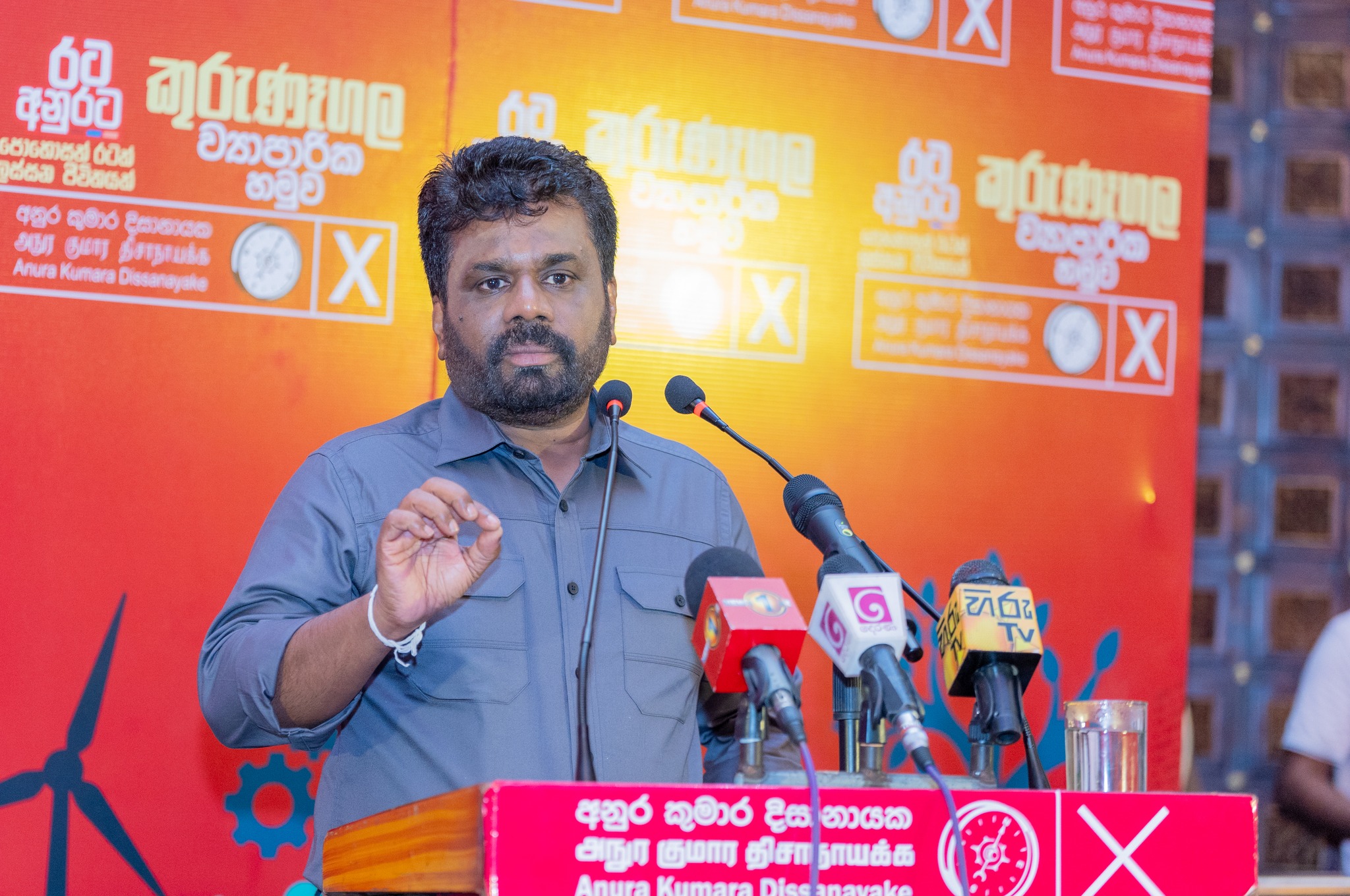
Since coming into office, Dissanayake has continued a militarised campaign to Sri Lanka’s drug problem. This is best illustrated through the continuation of Operations Yuthika a massive drug operation, launched in Dec 2023 under then President Ranil Wickremesinghe, which the government claims saw the arrest of 110,000 by May 2024. The operation itself was plagued with accusations of arbitrary arrests, police brutality and coerced “rehabilitation programs”. Anura not only continued this operation but launched a broader successor campaign, Ratama Ekata (“A Nation United”), in October 2025, utilising the police, military and Navy.
This continues a trend towards ever-increasing militarisation, that has seen Sri Lanka’s military repurposed to engage in services such as hospitality industry, higher education, agriculture, disaster management and drug rehabilitation.
The military has been overseeing many of these “rehabilitation centres” which have come under criticism for degrading treatment of detainees and for a lack of accountability. Sri Lanka’s policy of mandatory rehabilitation has come under criticism by civil society as amounting to administrative detention without a criminal conviction.
Manesh Wevita, a Sri Lankan attorney that regularly deals with these types of cases, has noted the low bar for arrest. Police typically arrest on “suspicion of drug use” and court judges typically sentence people to drug rehabilitation on the basis of medical evidence that rarely contain much more than the name of the drug.
There are furthermore concerns over the extent of police and military involvement within drug trafficking. In 2020 a dozen police officers from the Police Narcotics Bureau were alleged to aid smugglers to transport heroin into safe houses. In one example an officer received 243 kg of heroin and privately diverted 43 kg. More recently, two officers from the Western Province were accused of planting false narcotics in an attempt at extorting individuals.
Sri Lankan President Dissanayake himself has acknowledged a “black state” noting the complicity of the military and police with criminal organisations. This includes reports of military personnel providing assault rifles to criminal organisations.
.png)
Tamil National People’s Front (TNPF) leader and Jaffna District MP Gajendrakumar Ponnambalam has accused the Sri Lankan military of playing a central role in the spread of narcotics across the Tamil homeland, warning that drug addiction has been deliberately fostered.
He accused the Sri Lankan state of using narcotics as a weapon against the Tamil nation. “You spread drugs like a disease with the help of the Sri Lankan military, and now it has even reached the South,” he said.
மேலும் படிக்க »
இந்த செய்தியைப் பற்றிய கருத்தை பதிவு செய்யுங்கள். மேலும் இந்த செய்தியை உங்கள் நண்பர்களுடன் பகிர்ந்து கொள்ளுங்கள்.


