
.jpeg)
Ravikaran calls for DNA testing to identify Chemmani mass grave victims
Ravikaran calls for DNA testing to identify Chemmani mass grave victims by Thara
Mullaitivu District MP Thurairasa Ravikaran has called for DNA samples from families of the forcibly disappeared to be collected, with their consent, and compared with human remains recovered from the Chemmani mass grave.
Speaking in parliament, Ravikaran said there was a legal and scientific necessity to preserve genetic samples from families searching for their missing relatives and compare them with the remains uncovered at Chemmani.
He stressed that any such process must take place with the consent of families and under international supervision, in order to ensure the credibility, security and integrity of future identification efforts.
The third phase of excavations at the Chemmani human burial site resumed on 4 August under the supervision of the Jaffna Magistrate’s Court. A total of 515 sets have now been identified across 101 days of excavation, of which 506 have been fully exhumed.
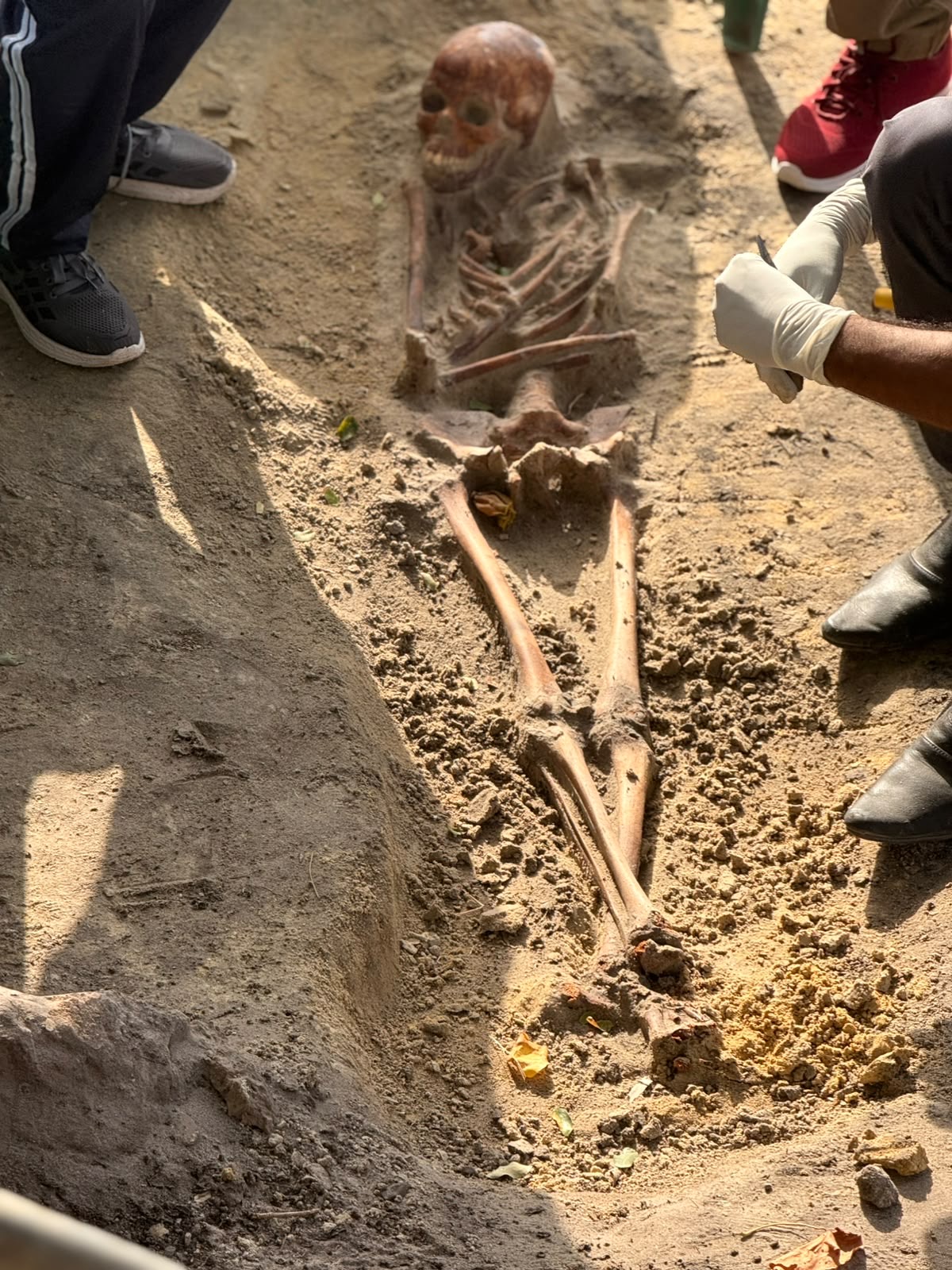
Ravikaran said the excavation of human remains is only the first stage of the process.
He said the recovered remains must next undergo scientific examination, while the Department of Archaeology is expected to submit a report identifying the estimated period to which the remains belong.
The identities of the victims should then be pursued by comparing that period with existing complaints concerning persons who were forcibly disappeared, arrested, detained or whose whereabouts became unknown, he said.
“If individuals have reported that their relatives disappeared during the relevant period, or that their whereabouts became unknown following their arrest, their information must be compared with the period established through archaeological and scientific analysis,” Ravikaran said.
However, Ravikaran warned that Sri Lanka still lacks a dedicated repository for collecting and preserving genetic samples from relatives of the forcibly disappeared. He urged the Sri Lankan government to establish a mechanism to obtain DNA samples from families, strictly with their consent, and preserve them under international oversight.
Attorney-at-law Ranitha Gnanarajah previously stressed that excavation and DNA analysis are distinct stages, and that no effort had been made by the Office on Missing Persons or any other relevant authority to collect and preserve DNA samples from relatives of the disappeared.
Ravikaran noted that Gnanarajah, who is among the lawyers involved in the Chemmani excavation proceedings, had also recently highlighted the importance of collecting and preserving DNA samples from families of the disappeared.
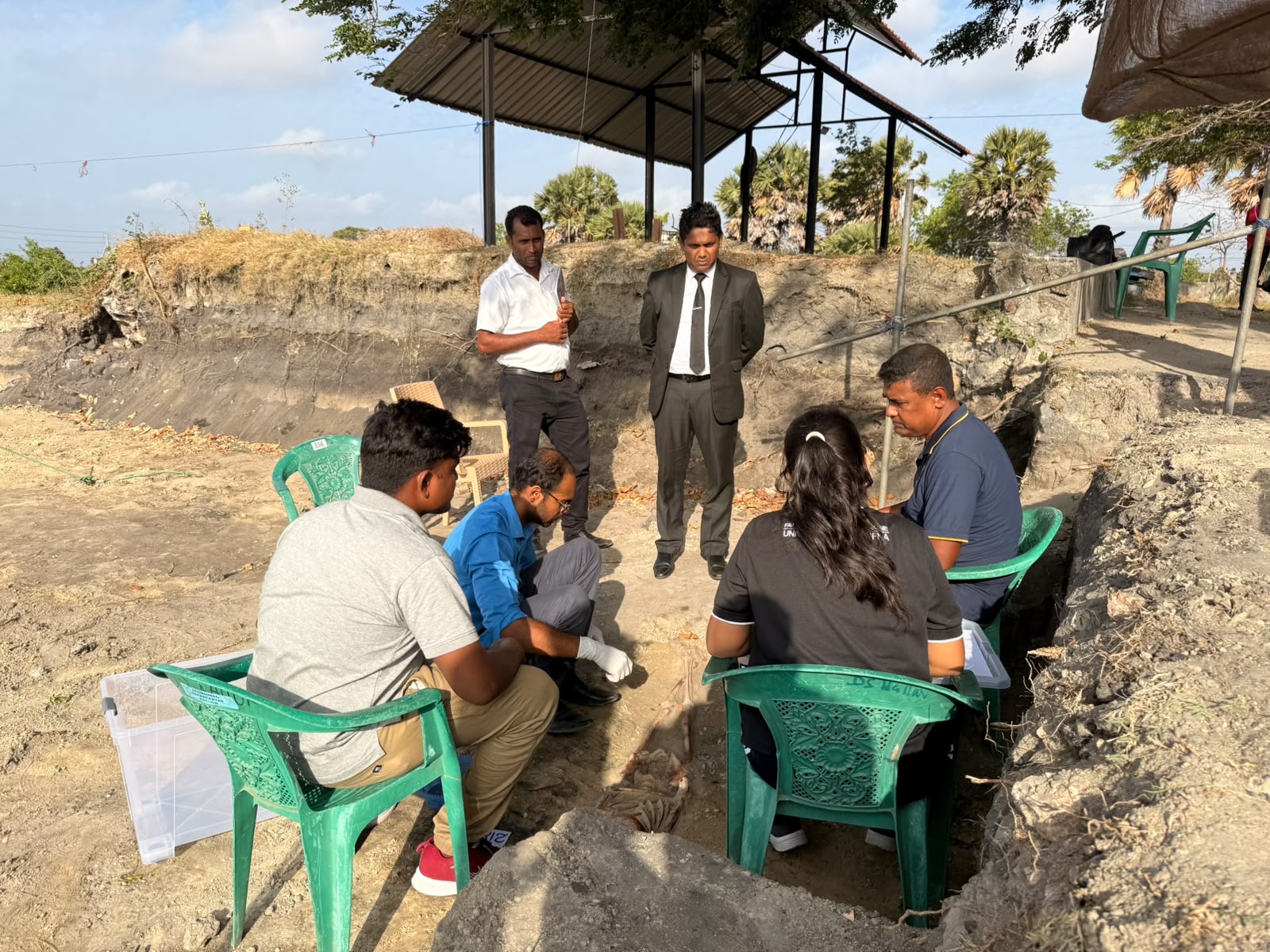
The call comes as the scale of the Chemmani mass grave continues to grow.
Chemmani first drew international attention in the late 1990s after a Sri Lankan soldier testified that hundreds of Tamils who disappeared during the military’s occupation of Jaffna had been buried there.
As excavations have continued, investigators have uncovered remains in clusters, including those of children and infants, alongside clothing, feeding bottles, toys, beads and other personal items. Despite the scale of the discoveries, the process of identifying the dead has still not begun.
Families of the forcibly disappeared have repeatedly demanded international supervision of the excavation and identification process, arguing that Sri Lanka’s domestic mechanisms have failed to deliver truth, justice or accountability.
மேலும் படிக்க »
இந்த செய்தியைப் பற்றிய கருத்தை பதிவு செய்யுங்கள். மேலும் இந்த செய்தியை உங்கள் நண்பர்களுடன் பகிர்ந்து கொள்ளுங்கள்.


