No burial records for Chemmani raincoat child as excavations resume
No burial records for Chemmani raincoat child as excavations resume by abilash
Neither hospital authorities nor the local cemetery committee hold any record of the burial of a child whose remains were recovered at the Chemmani mass grave alongside a raincoat and what appeared to be a coffin, inquiries have found, as court-supervised excavations at the Jaffna site resumed on Tuesday.
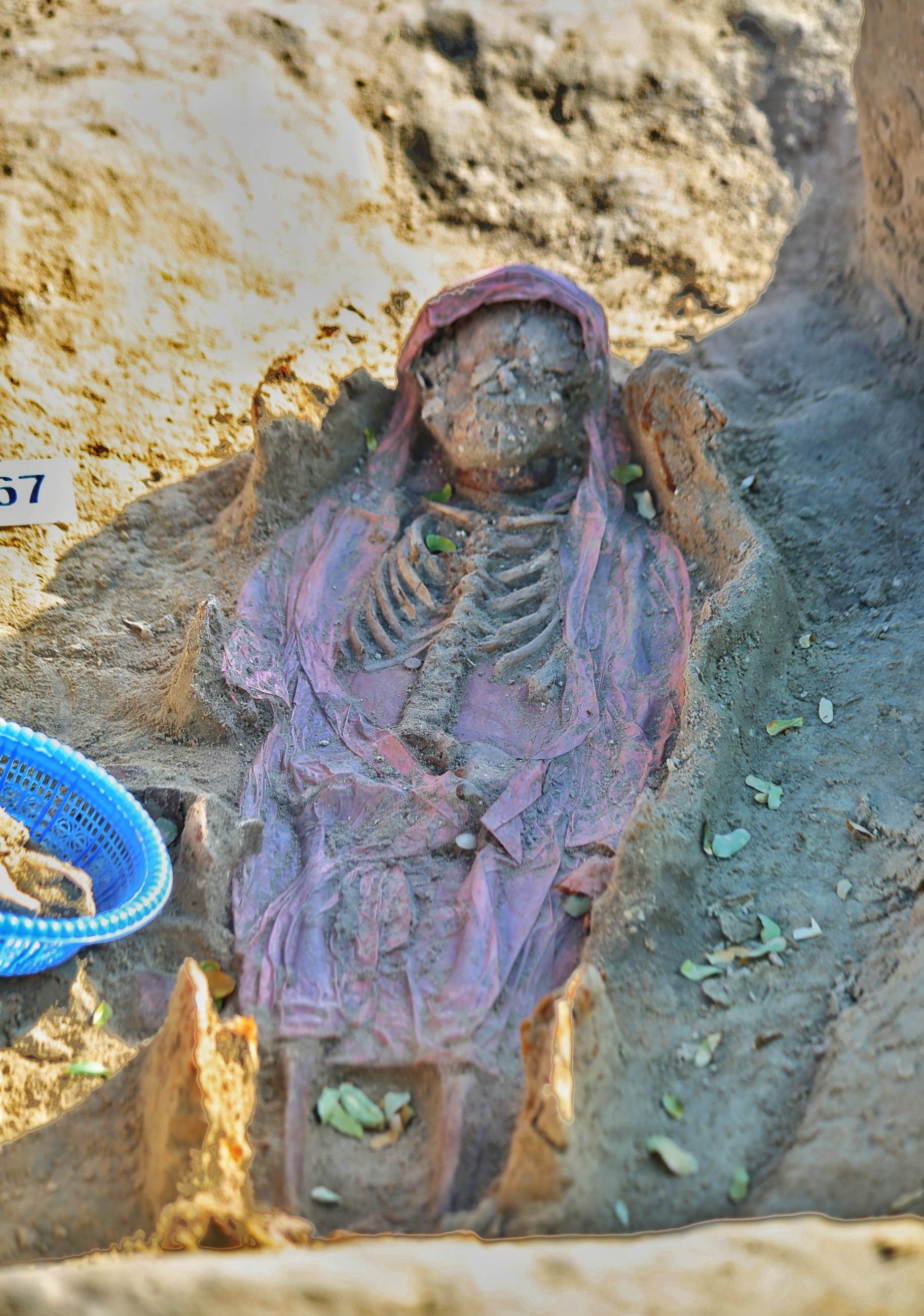
The remains, the 467th set identified at the site, had drawn particular attention when uncovered last month because their features appeared to distinguish the burial from the hundreds of others at Chemmani.
A legal expert present at the excavation said at the time that the remains appeared to be associated with what looked like a coffin, with a raincoat and a sock also recovered, raising the question of whether this individual, believed from the smaller skeletal frame to be a child, might have been interred through a lawful burial process.
Subsequent inquiries found no such record. The committee responsible for the Chemmani Sinththuppathi Hindu cemetery said it held no record of any burial there, while hospital officials told investigators that the hospital does not bury the deceased at that cemetery, carrying out its burials instead at the Kompayan-manal cemetery.
The remains were exhumed on Tuesday, with the raincoat and buttons recovered alongside them now designated as evidentiary material and placed under court custody.

Tuesday marked the 43rd day of the third phase of excavations, which resumed after a temporary suspension following the 42nd day of work on 24 July. Four further sets of human remains were identified during the day and two previously identified sets exhumed. The court has authorised 56 days of excavation for the current phase.

Across the first, second and third phases, 483 sets of human remains have now been found at Chemmani, of which 481 have been fully exhumed.

Chemmani is the largest mass grave uncovered on the island, having surpassed the Mannar Sathosa site, and excavations have repeatedly unearthed the remains of infants and young children alongside artefacts including clothing, feeding bottles, toys and beads. Work was suspended last month after the identified total reached 480.
At a hearing on 23 July, Sri Lankas Criminal Investigation Department told the Jaffna Magistrates Court that it had not yet been established whether a crime had taken place at the site, as it sought permission to conduct scientific testing to determine the age of the remains. The court directed that an expert panel consider what further examinations should be carried out, with the case due to be taken up again on 5 August.
The site was first linked to enforced disappearances in 1998, when a Sri Lankan soldier testifying in the trial over the abduction, rape and murder of the schoolgirl Krishanthi Kumaraswamy disclosed that Tamils who had disappeared in the custody of the security forces were buried at Chemmani.
Despite the scale of the current excavation, the process of identifying the dead has yet to begin, and families of the disappeared continue to reject domestic mechanisms and demand an independent international investigation.
மேலும் படிக்க »
இந்த செய்தியைப் பற்றிய கருத்தை பதிவு செய்யுங்கள். மேலும் இந்த செய்தியை உங்கள் நண்பர்களுடன் பகிர்ந்து கொள்ளுங்கள்.