Tamil leader urges memorials to preserve genocide memory for future generations
Tamil leader urges memorials to preserve genocide memory for future generations by Thara
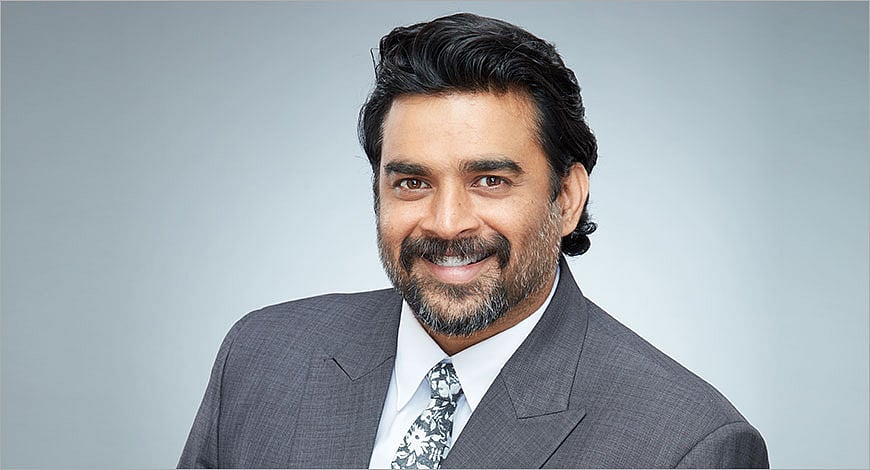
Tamil National Green Movement leader P. Ayngaranesan has criticised those who accuse the younger generation of being unaware of the genocide, history and suffering endured by Tamils, arguing that society itself is responsible for failing to preserve historical memory.
Addressing a contemporary political discussion organised by the Tamil National Green Movement at the Kokkuvil Ariviyal Mandapam, Ayngaranesan said it was unreasonable to blame young people for not knowing history after allowing the traces of the Tamil genocide to be concealed, destroyed and forgotten.

"We accuse the younger generation of not knowing the history of our struggle, the suffering we endured, and our pain. But who made them unaware of history? Was it not us?" he asked.
He pointed to the destruction of the Jaffna Public Library in 1981, when a state-backed mob burned one of the largest libraries in Asia, describing it as one of the greatest cultural catastrophes faced by Eelam Tamils, in which valuable historical documents, manuscripts and rare records of Tamil heritage were lost. The library should have been preserved as a historical reminder, he argued, and rebuilding it without preserving the memory of what happened had been a historical mistake.

Ayngaranesan traced a history of repeated violence against Tamils, from the 1956 Gal Oya massacre to the Mullivaikkal genocide of 2009, describing the 1983 Black July pogrom as the first large-scale anti-Tamil massacre, which brought widespread loss of life, extensive destruction of property and the displacement of Tamils around the world.

The failure to establish monuments and memorials to pass these experiences on to future generations was another significant failure, he said. Referring to the human remains emerging from the Chemmani mass grave, he warned that they must not be allowed to suffer the same fate of being forgotten.
Memorials were essential for communities that had experienced genocide, he said, describing them not merely as places of mourning but as "historical classrooms" that preserve truth for future generations and strengthen continued calls for justice. He urged the preservation of evidence and memory through memorials, remembrance spaces and archival centres, arguing that such efforts would keep the demand for accountability alive and prevent perpetrators from rewriting history.
His appeal comes against a backdrop in which the Sri Lankan state has repeatedly moved to erase Tamil sites of memory. In January 2021, authorities bulldozed the Mullivaikkal memorial at the University of Jaffna, one of a series of Eelam Tamil monuments across the North-East targeted for destruction, even as commemorations of the war dead face routine restriction and surveillance.
மேலும் படிக்க »
இந்த செய்தியைப் பற்றிய கருத்தை பதிவு செய்யுங்கள். மேலும் இந்த செய்தியை உங்கள் நண்பர்களுடன் பகிர்ந்து கொள்ளுங்கள்.