Lawyers unite against unethical bid to extend Sri Lankan judges tenure
Lawyers unite against unethical bid to extend Sri Lankan judges tenure by Thusiyan
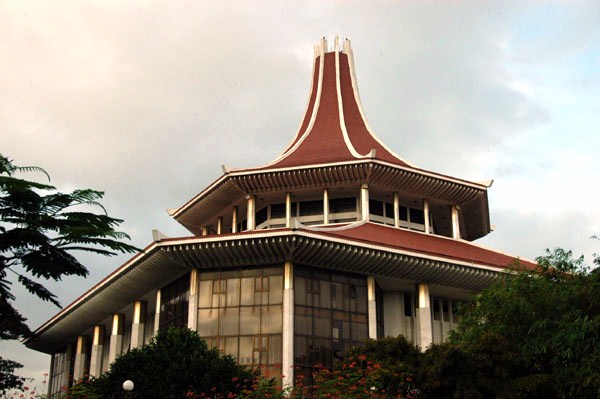
Sri Lankas government is pressing ahead with a constitutional amendment to raise the retirement age of Supreme Court and Court of Appeal judges, despite unanimous opposition from the countrys bar association and warnings that the move threatens the independence of the judiciary.
The cabinet approved the proposal on Monday, government spokesman Nalinda Jayatissa said, under which the mandatory retirement age of Supreme Court judges would rise by two years to 67, that of Court of Appeal judges from 63 to 65, and lower court judges would receive a two-year extension. The amendment requires a two-thirds majority in parliament, which the governing National Peoples Power commands, and the process could take around two months.
The government says the change is intended to help clear a backlog of some 1.1 million pending cases, and denies any link to the chief justice. Jayatissa said the reforms also included increasing the number of courthouses, and pointed to a shortfall in judicial recruitment, with only 35 magistrates recently appointed to fill 50 vacancies. Cases in Sri Lankas primary courts often drag on for decades.
Unethical
The Bar Association of Sri Lanka has rejected the proposal outright. At a special general meeting on Wednesday attended by between 3,000 and 4,000 lawyers in person and online, all those who voted opposed the amendment, BASL President Rajeev Amarasuriya said. He described the proposal as "unethical", warned that it would have long-term implications for judicial independence, and said that if the government intended to proceed, the matter should be put to a referendum. The association was due to meet the Justice Minister, Harshana Nanayakkara, on Wednesday evening.
The cabinet had approved the proposal despite earlier objections from the BASL, the Judicial Service Association, Presidents Counsel and several political parties.
Critics contend the amendment is a covert attempt to extend the tenure of Chief Justice Preethi Padman Surasena, who is due to retire later this year on reaching the age of 65, and who they say has been favourable to the administration of Sri Lankan president Anura Kumara Dissanayake, a characterisation the government denies.
A former president of the bar association, Saliya Peiris, warned that the move would backfire on a government that came to power pledging to end corruption and restore the rule of law.
"This will taint the legacy of President Dissanayake, who will then join the list of other presidents who unashamedly attempted to tamper with the independence of the judiciary, only to find that their actions led to their own downfall," he told reporters in Colombo.
In 2013, then president Mahinda Rajapaksa impeached Chief Justice Shirani Bandaranayake under controversial circumstances and went on to lose an election two years later.
The Jaffna bars warning
The Bar Association of Jaffna has also urged the president to reconsider. In a letter dated 28 July, the association said it was not opposed in principle to raising the retirement age, provided it applied across the judiciary, including lower court judges, and formed part of a broader constitutional reform process.
Introducing the amendment on its own, the Jaffna bar warned, could create a perception that the executive was interfering with the judiciary or granting it special privileges, undermining judicial independence and public confidence.
The retirement age could instead be addressed when the government undertook a comprehensive repeal and replacement of the constitution, it said, cautioning that piecemeal amendments for "instrumentalist purposes" could weaken respect for constitutionalism, democratic governance and the rule of law. It urged the president to abandon the proposed amendment at this stage.
மேலும் படிக்க »
இந்த செய்தியைப் பற்றிய கருத்தை பதிவு செய்யுங்கள். மேலும் இந்த செய்தியை உங்கள் நண்பர்களுடன் பகிர்ந்து கொள்ளுங்கள்.