Chemmani excavations halt again after grim milestone of 480 human remains
Chemmani excavations halt again after grim milestone of 480 human remains by abilash
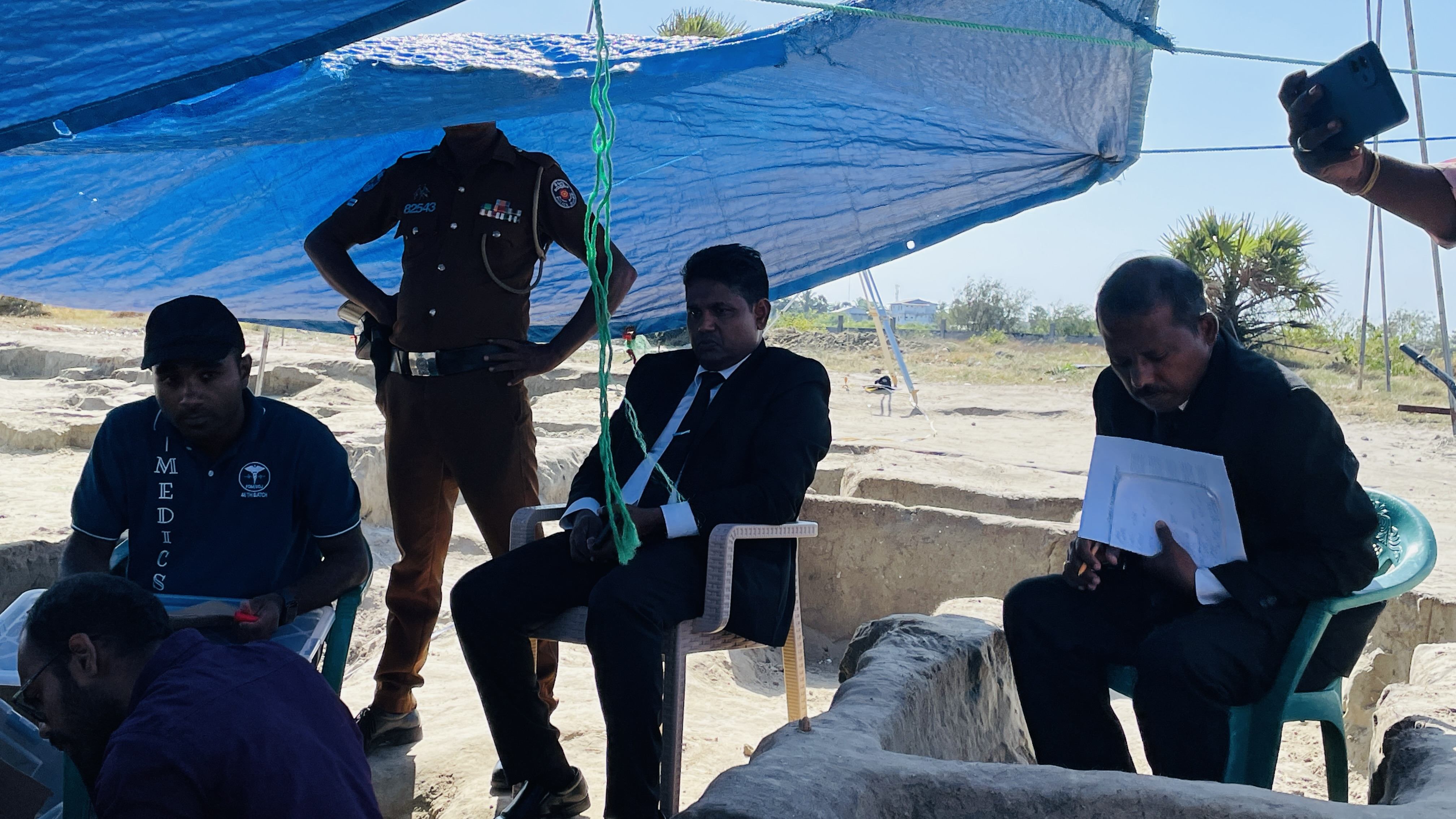
Excavations at the Chemmani mass grave have been suspended again, after investigators identified 480 sets of human remains across the three phases of the court-ordered dig at what has become the largest mass grave uncovered on the island.
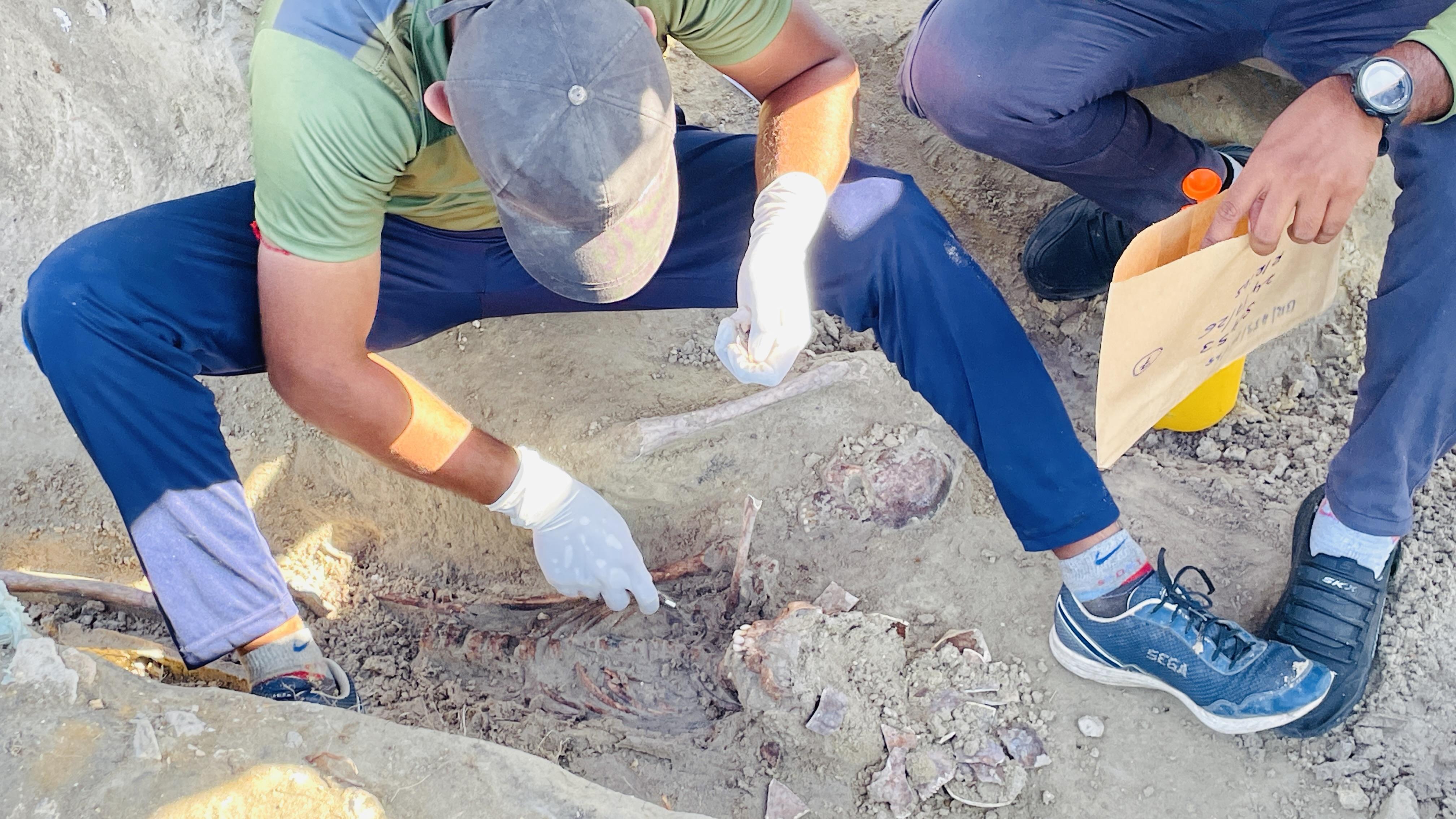
On the 42nd day of the third phase, carried out on Friday, investigators identified one further set of human remains along with a new cluster of skeletons. Fifteen previously identified sets were fully exhumed during the day, together with three previously identified clusters.
Investigators also recovered an iron plate found in contact with three ribs on the right side of the 437th set of human remains. Several nails were recovered and documented as items of evidence.
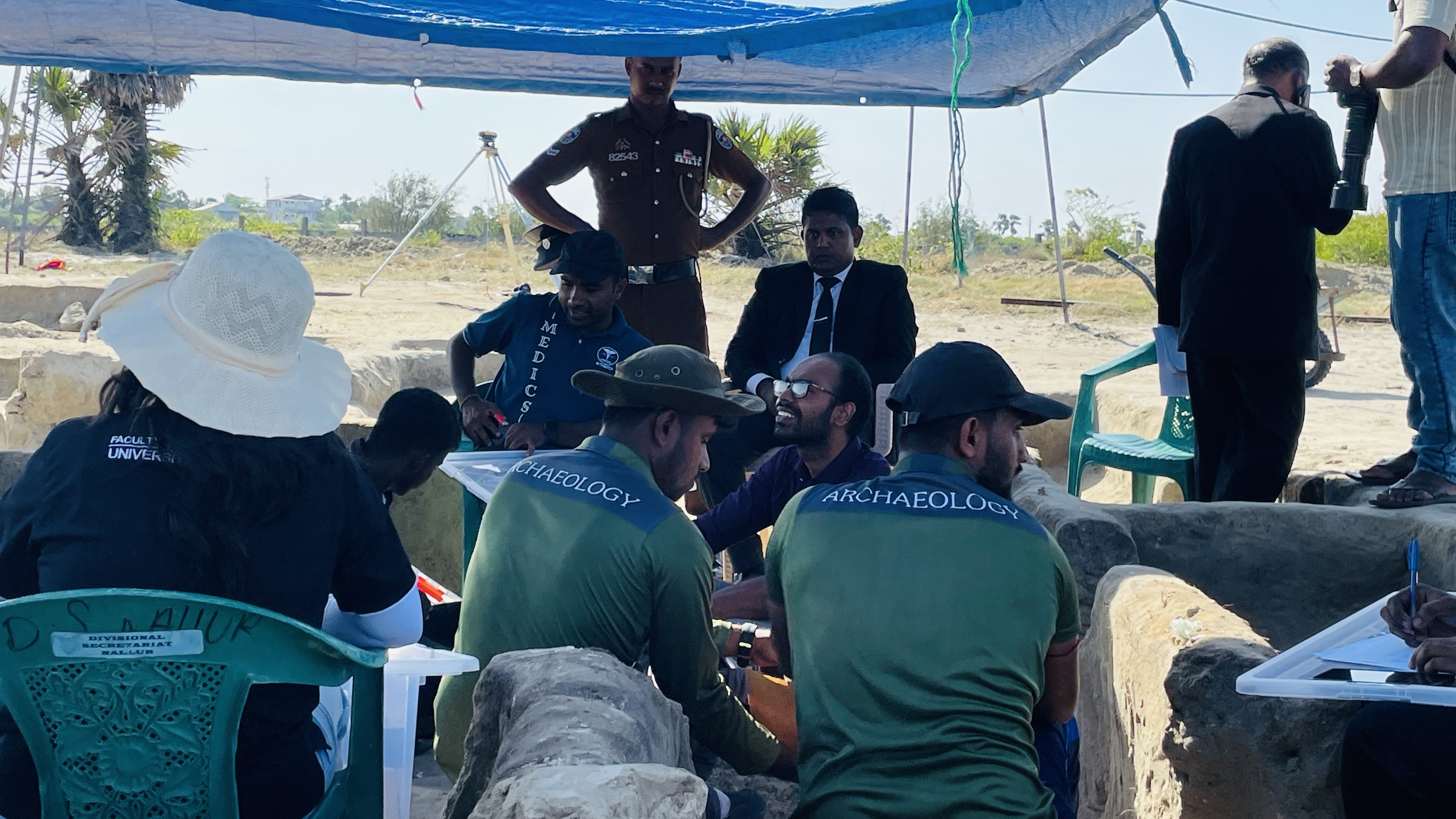
With Fridays findings, 480 sets of human remains have now been identified across the first, second and third phases of the Chemmani excavations, of which 479 have been fully exhumed over 96 days of work.
The third phase, authorised by the court for 56 days, has now been temporarily halted, with excavation scheduled to resume on 4 August.
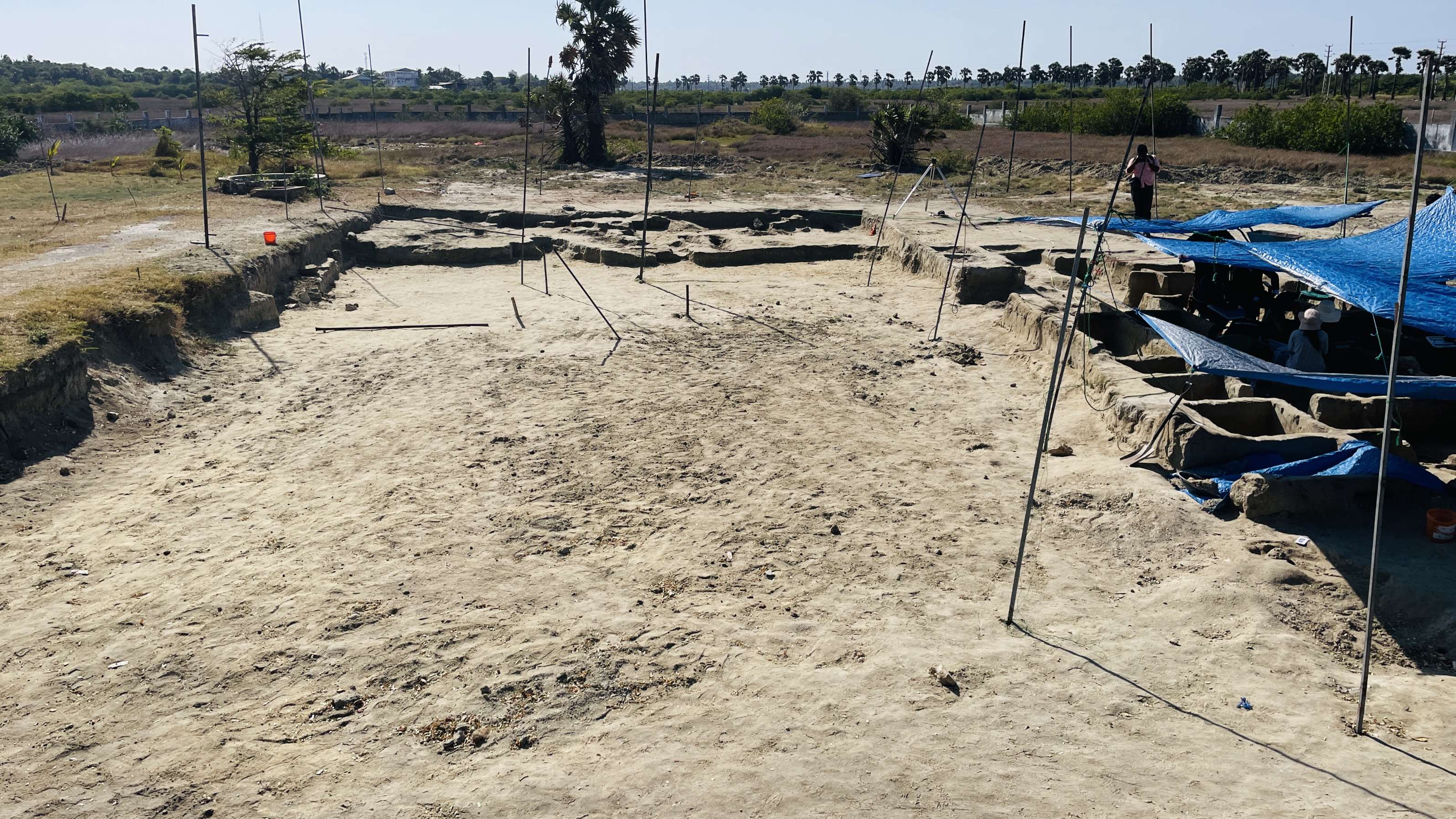
Chemmani has surpassed the Mannar Sathosa mass grave to become the largest such site uncovered in Sri Lanka, with excavations repeatedly unearthing the remains of infants and children alongside artefacts including clothing, feeding bottles, toys and beads. Despite the scale of the discoveries, the process of identifying the dead has still not begun. The case is next due to be taken up in the Jaffna Magistrates Court on 5 August.
The site first entered public record in 1998, when a soldier testifying in the trial over the abduction, rape and murder of the schoolgirl Krishanthi Kumaraswamy disclosed that Tamils who had disappeared in the militarys hands were buried at Chemmani. More than a quarter of a century later, the current dig has become the most extensive investigation the site has seen, yet not a single set of remains has been formally identified, and no one has been held to account.
Families of the disappeared, human rights organisations and the Tamil diaspora have repeatedly rejected domestic mechanisms as incapable of delivering justice, pressing instead for an independent, international investigation and the referral of Sri Lanka to the International Criminal Court, a demand they carried directly to a visiting European Union delegation days earlier.
மேலும் படிக்க »
இந்த செய்தியைப் பற்றிய கருத்தை பதிவு செய்யுங்கள். மேலும் இந்த செய்தியை உங்கள் நண்பர்களுடன் பகிர்ந்து கொள்ளுங்கள்.