
Headless remains and body with raincoat uncovered at Chemmani as CID falters
Headless remains and body with raincoat uncovered at Chemmani as CID falters by abilash
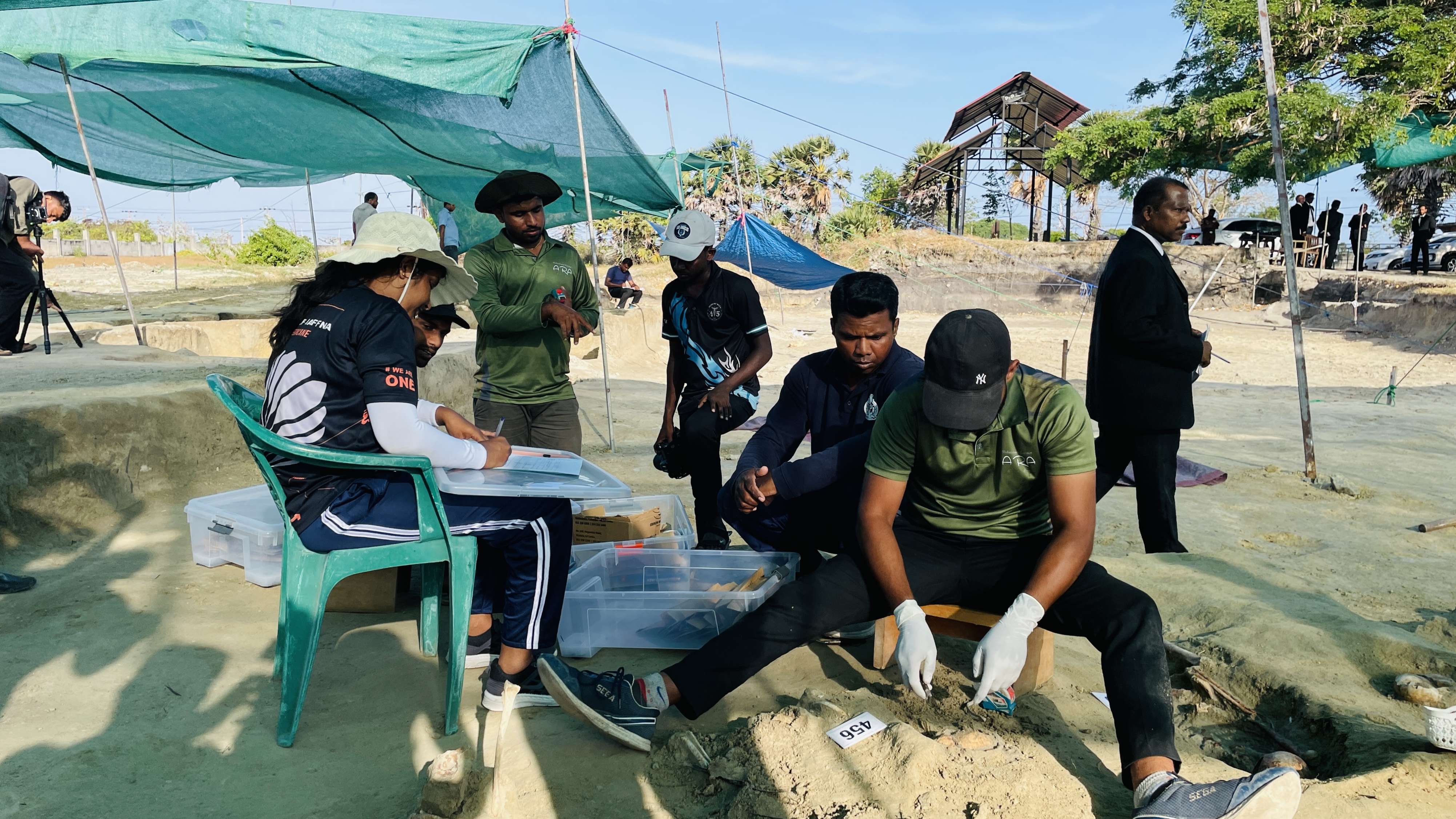
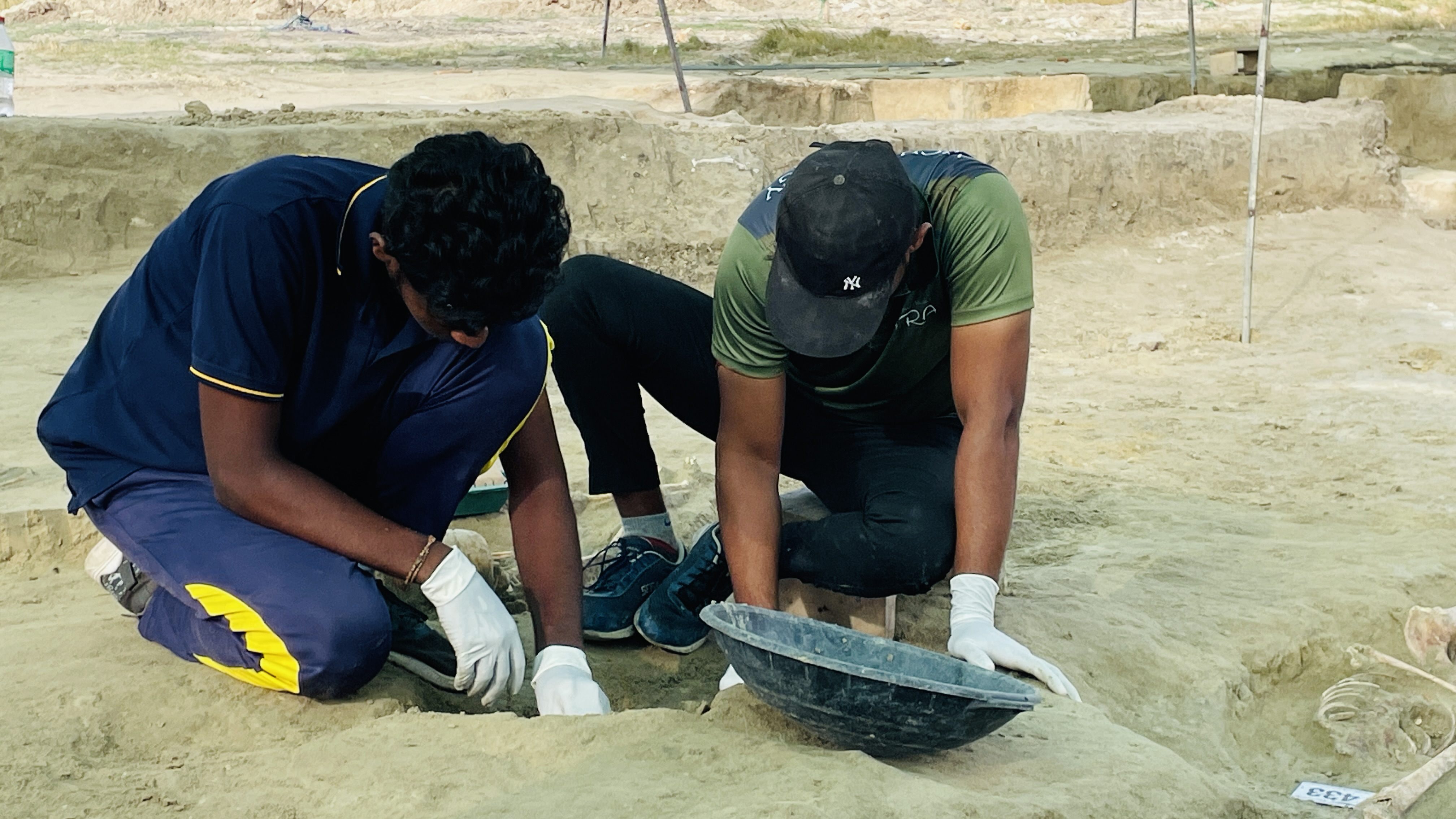
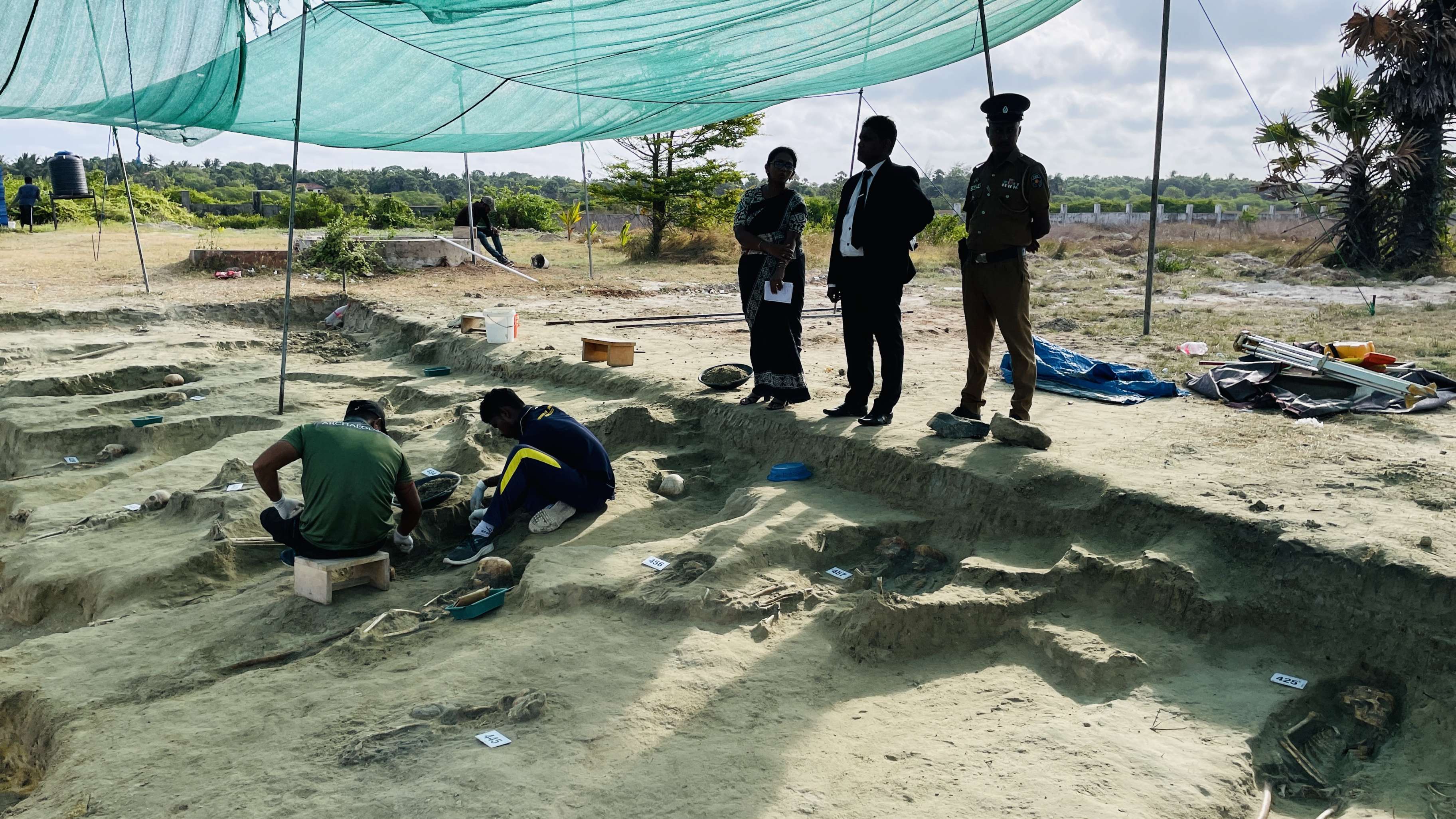
Skeletal remains found without skulls, and a body wearing a raincoat, are among the latest discoveries at the Chemmani mass grave in Jaffna, where the number of sets of human remains identified has risen to 478 as the third phase of court-supervised excavations continues.
The findings come as Sri Lankas Criminal Investigation Department told the Jaffna Magistrates Court on Thursday that it had not yet been established whether a crime had taken place at the site, in seeking permission to conduct scientific testing to determine the age of the remains recovered there.
Not yet established whether a crime had taken place
The CID argued that forensic analysis was required to determine the age of the skeletal remains. The court heard that reports on other artefacts recovered during the excavation would be obtained from the archaeologist Professor Raj Somadeva, and it was decided that an expert panel, together with legal representatives, would consider what further examinations should be carried out when the case is next taken up on 5 August.
The court additionally directed that the pending report on soil samples be obtained, alongside several reports requested from the university. The expert team involved in the excavation currently includes Somadeva and Judicial Medical Officer Dr Chellaiya Pranavan, and the court discussed obtaining further reports from other individuals and institutions before determining the next steps.
Lawyers V.S. Niranjan and G. Ranitha, appearing on behalf of families of the disappeared, were present alongside Office on Missing Persons Commissioner Miraj Raheem, lawyers attached to the Jaffna courts, the legal representative of the Nallur Pradeshiya Sabha and several lawyers representing affected parties.
Questions over an unusual burial
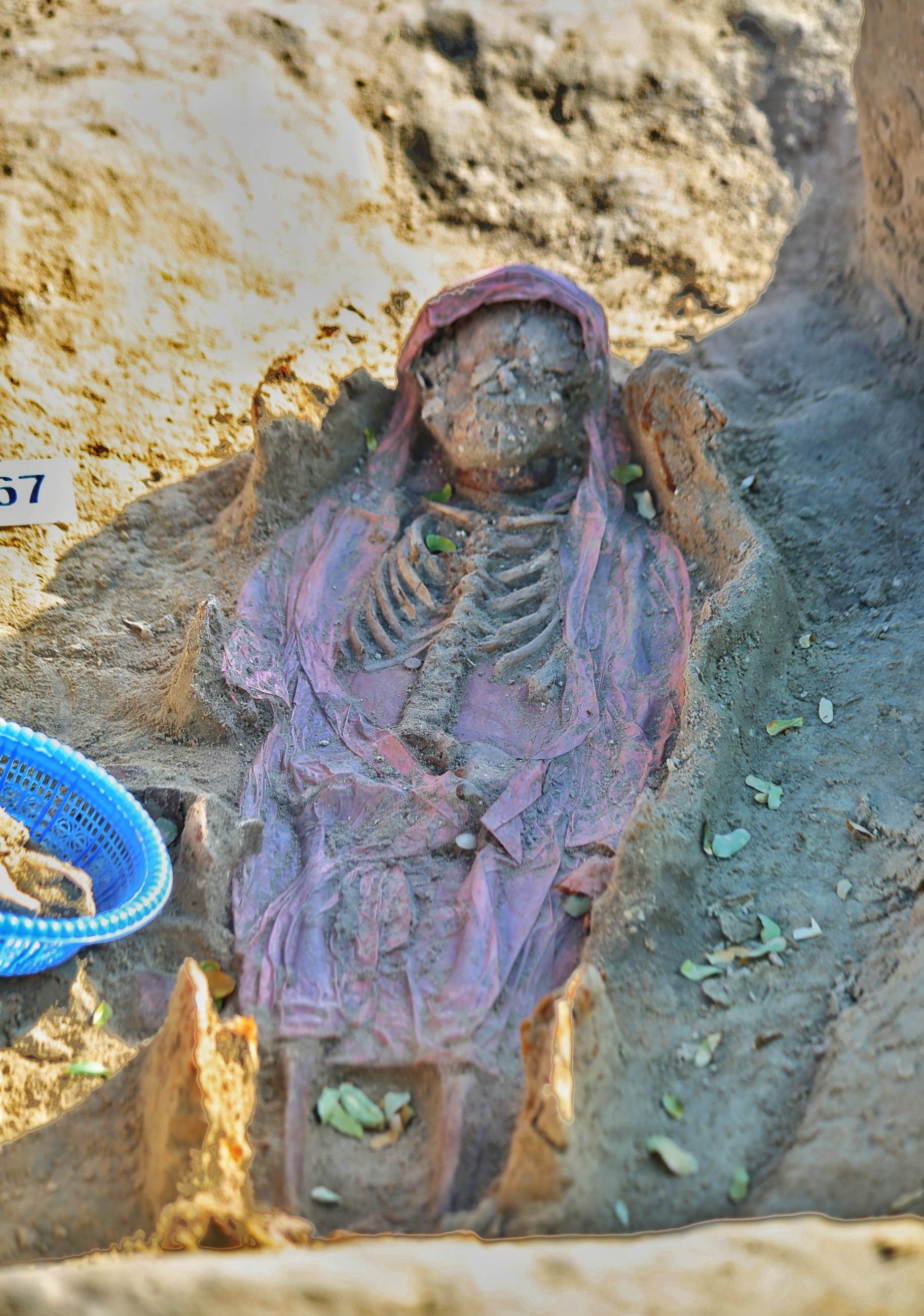
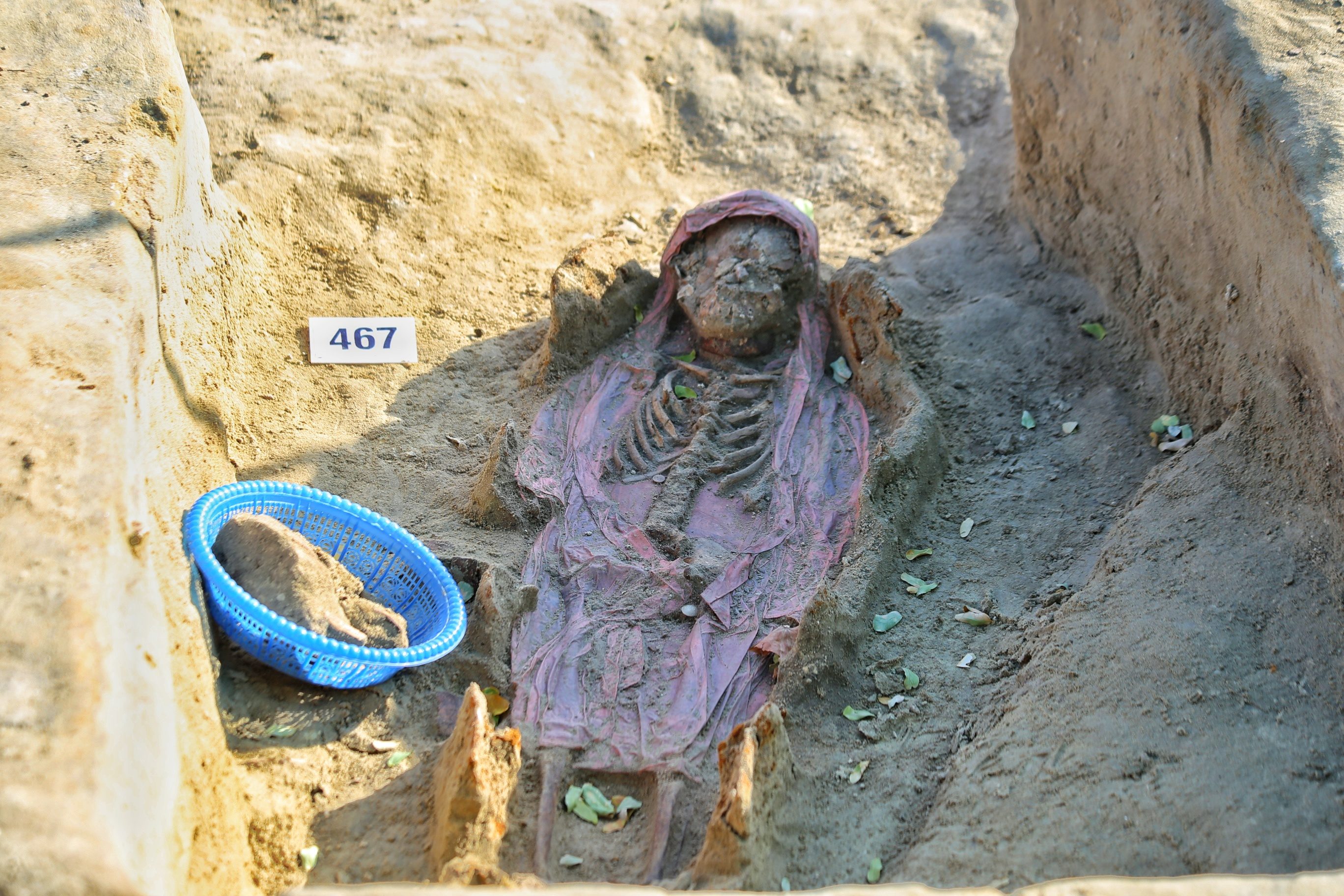
Addressing the media, Niranjan said one of the sets of remains recovered from the site appeared to differ from the others, raising questions over whether it may have been a legally conducted burial. He said the 467th set of remains identified at the site appeared to be associated with what looked to be a coffin, while a raincoat and a sock were also found with the remains.
Niranjan said these features raised doubts as to whether the individual may have been buried through a legal burial process, adding that the court would examine the matter further and that greater clarity was expected in the days ahead.
Seven further sets of remains were identified on Thursday, the 41st day of the third phase, while investigators fully exhumed nine previously identified sets. Three clusters of skeletons were identified, along with nails and a fragment of cement.
Across the first, second and third phases, 95 days of excavation have now been completed. Of the 478 sets of human remains discovered to date, 464 have been fully exhumed. The court has authorised 56 days of work for the current third phase.
Remains found without skulls
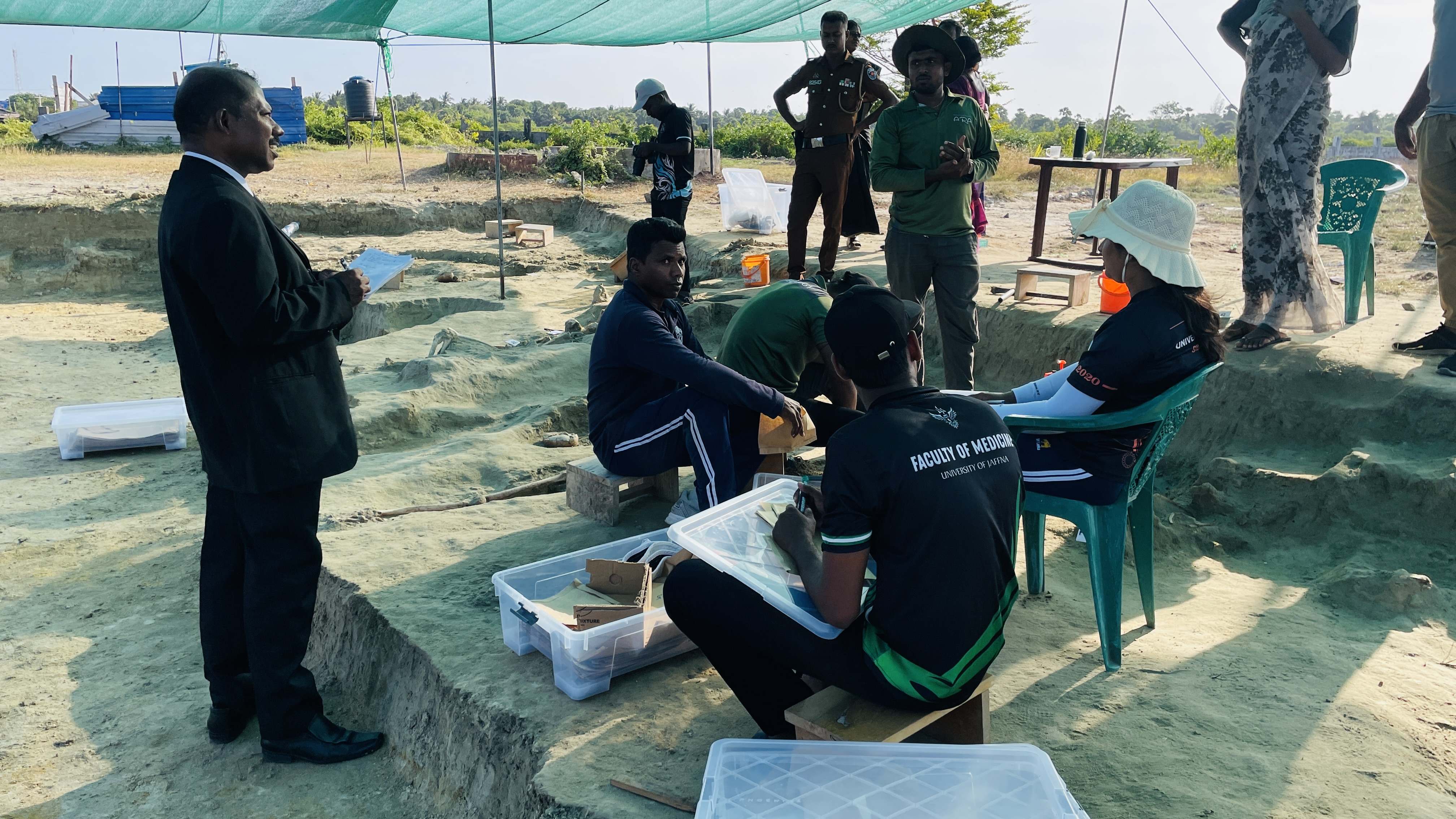
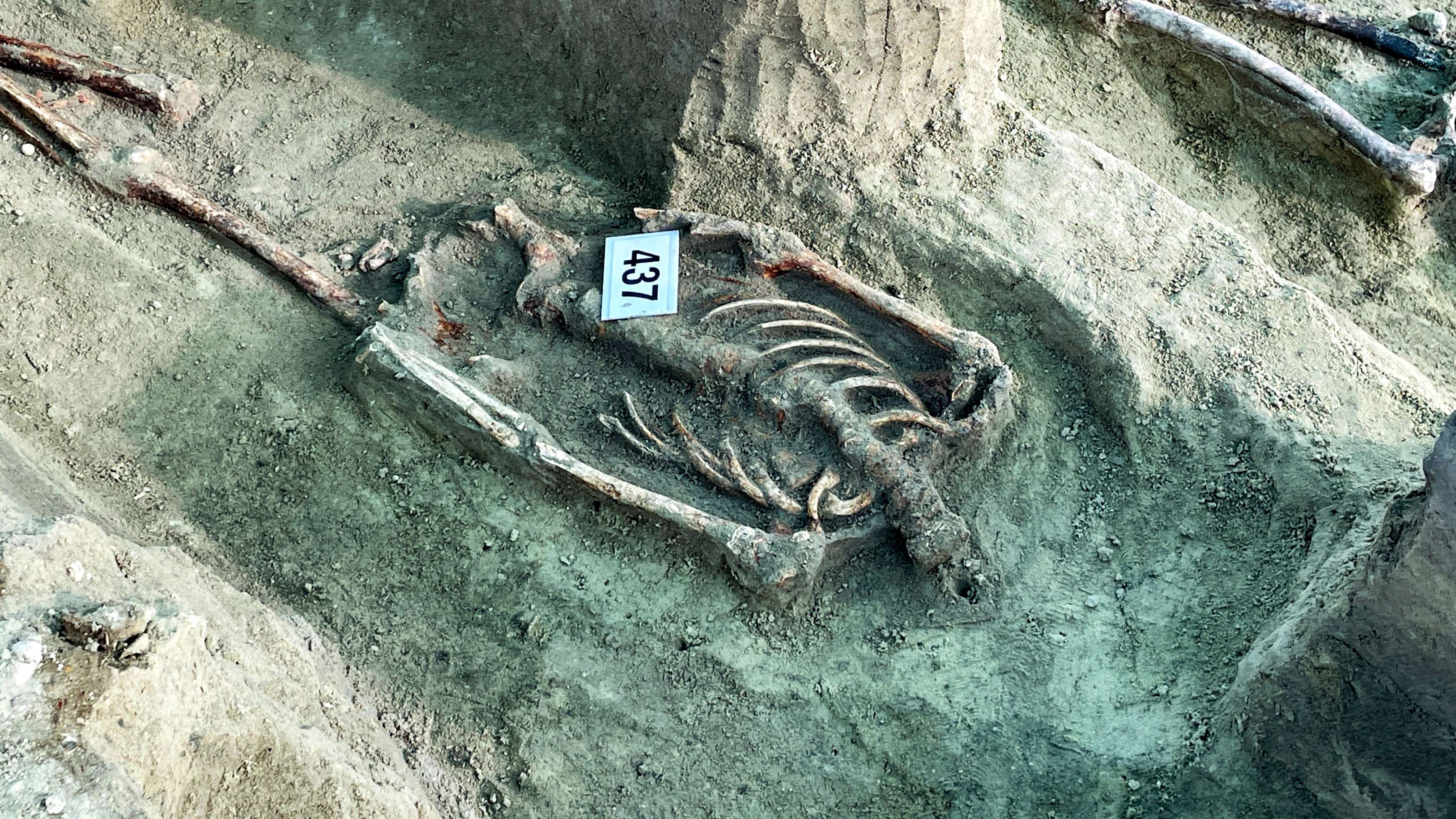
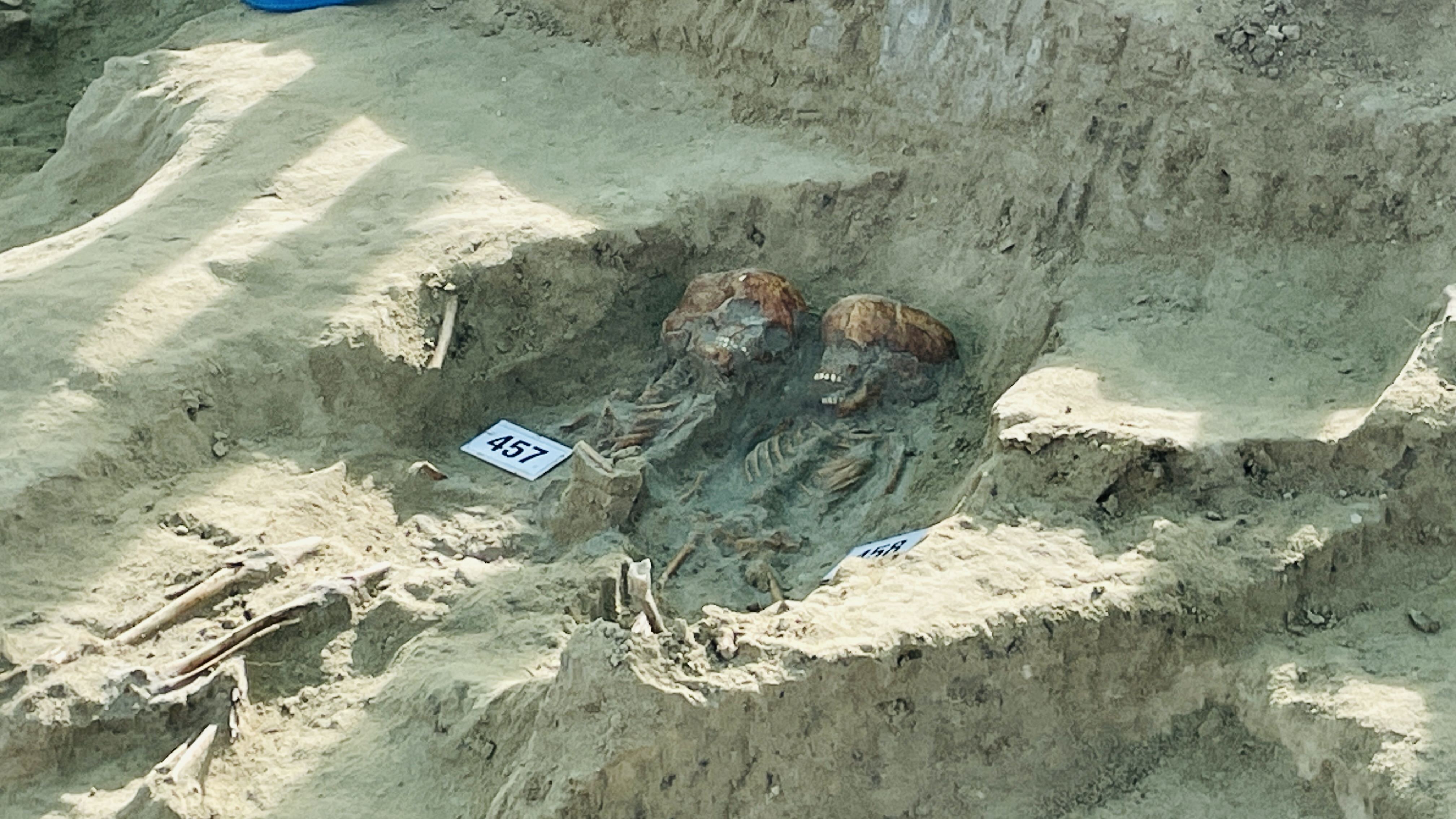
Earlier in the week, skeletal remains found without skulls were among 13 sets identified on Tuesday, the 39th day of the third phase. The days excavations also uncovered the remains of two children found lying in close proximity to one another, while several bones were found in clusters.
Attorney-at-Law Ranitha, speaking at the site, said skulls had also been found within the skeleton clusters, but stressed that further examination would be required before any conclusions could be drawn about their association with the remains. Excavation teams also exhumed four previously identified sets of remains that day, including those of three children.
Families confront EU delegation
Relatives of the forcibly disappeared from the North-East gathered at Chemmani junction from 8am on Wednesday, ahead of a European Union delegations visit to the Chemmani-Siththupaththi mass grave, urging the delegation to press for an international investigation. Organisers had called on Tamil political parties, university students, civil society organisations, non-governmental organisations and members of the public to take part.
The families said justice had continued to be denied to victims of enforced disappearance despite the many years that have passed since the end of the armed conflict, and argued that the discoveries at Chemmani underscored the urgent need for an international justice mechanism. They further accused the Sri Lankan state of attempting to conceal and diminish evidence that they described as proof of the Tamil genocide, warning the international community against being misled by what they characterised as government attempts to delay accountability.
The delegation, led by EU Ambassador Carmen Moreno and including the German, French, Italian and Dutch ambassadors, visited the site on Wednesday after permission was granted by the Jaffna Magistrates Court, observing the excavation and receiving a briefing from officials.
Representatives of the protesters met members of the delegation and handed over a memorandum setting out their demands. Speaking afterwards, the President of the Association for Relatives of the Enforced Disappeared in the North and East, Yogarasa Kanagaranjini, said the delegation had assured them it would do what it could, but described the response as "not satisfactory".
Chemmani has surpassed the Mannar Sathosa mass grave, where 376 skeletal remains were recovered, to become the largest such site uncovered in Sri Lanka. Excavations have repeatedly uncovered the remains of infants and children alongside artefacts including clothing, feeding bottles, toys and beads.
Despite the scale of the discoveries, the process of identifying the dead has still not begun.
மேலும் படிக்க »
இந்த செய்தியைப் பற்றிய கருத்தை பதிவு செய்யுங்கள். மேலும் இந்த செய்தியை உங்கள் நண்பர்களுடன் பகிர்ந்து கொள்ளுங்கள்.
.webp?resize=390%2C205)
