EU delegation visits Chemmani as remains identified reach 471
EU delegation visits Chemmani as remains identified reach 471 by abilash
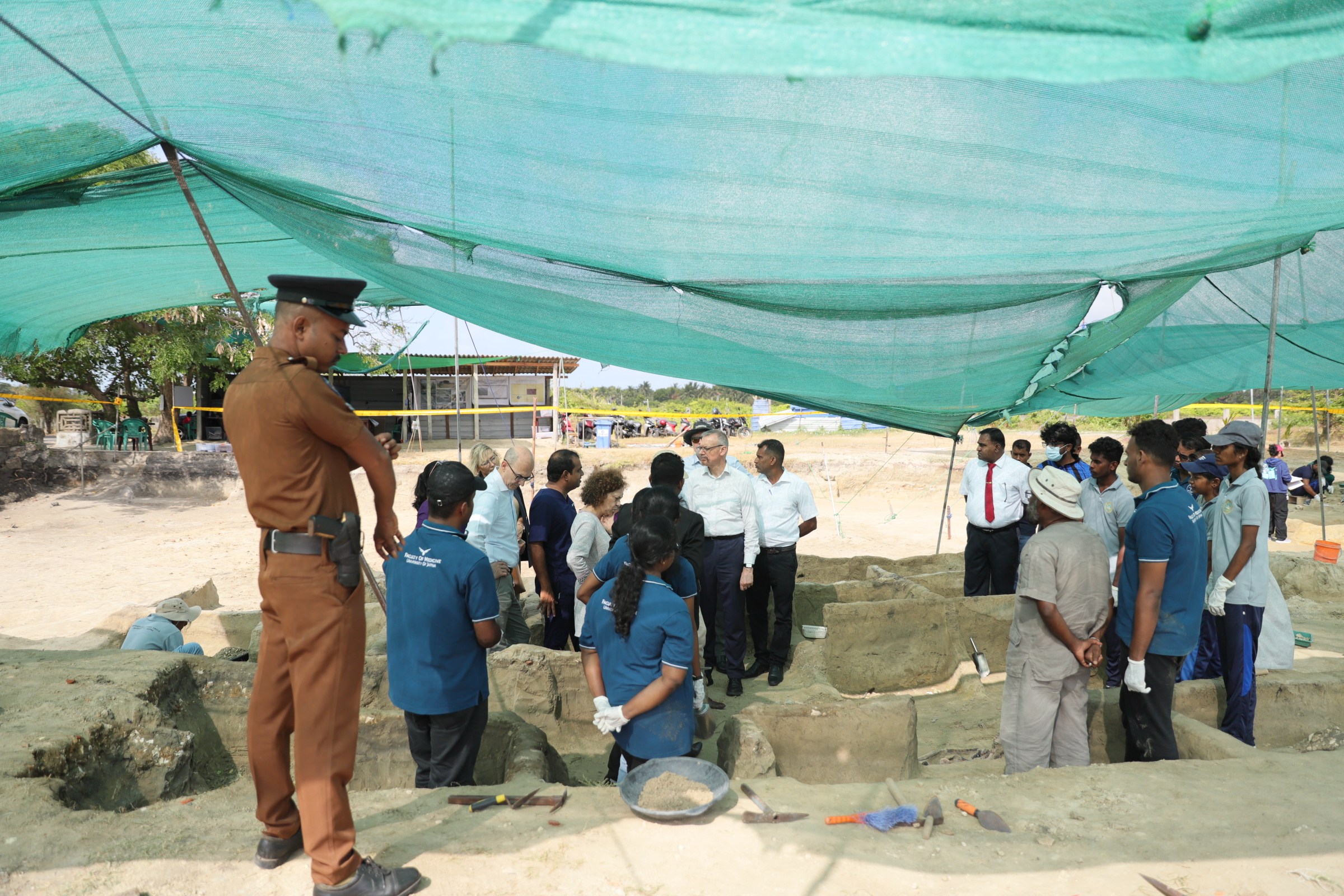
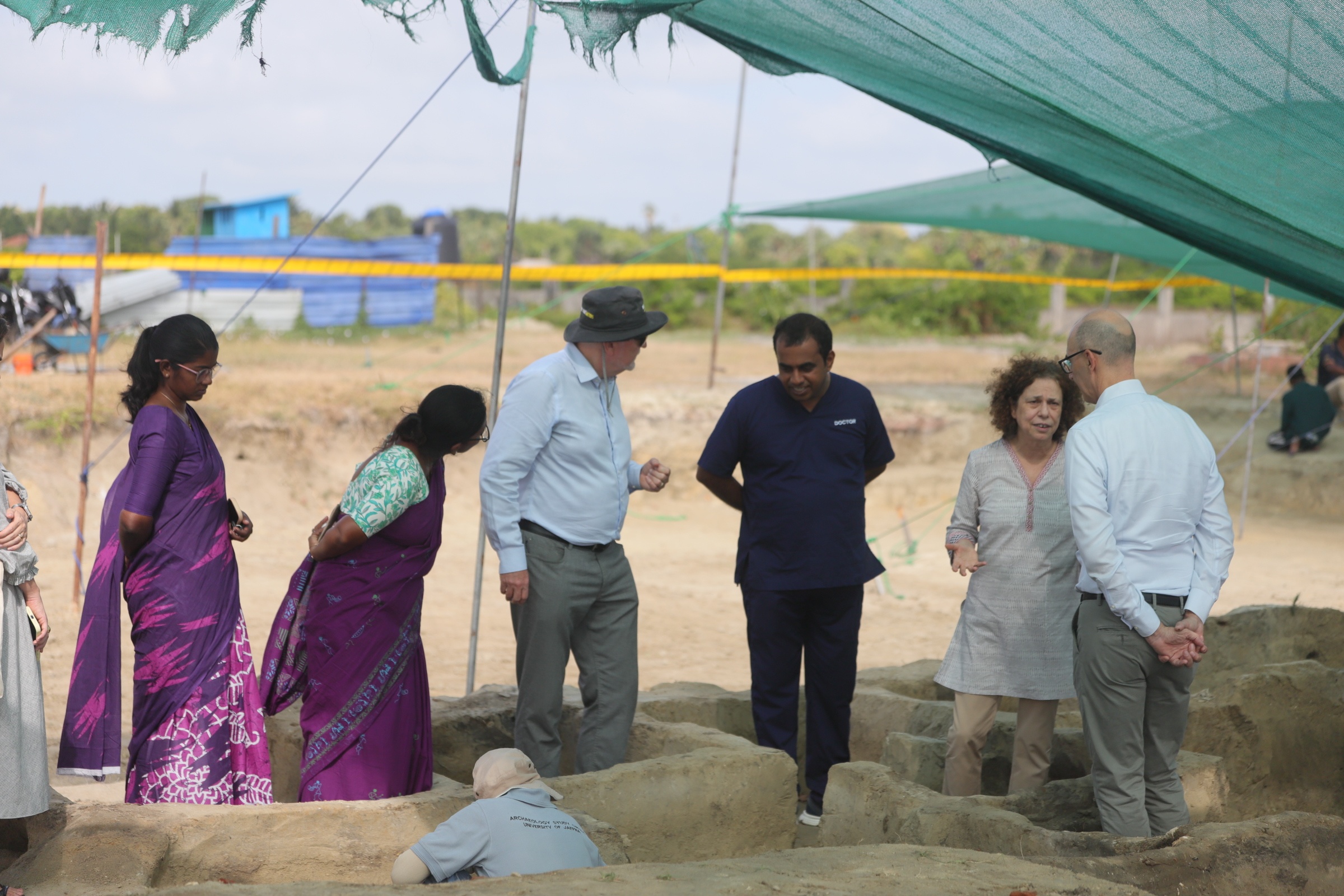
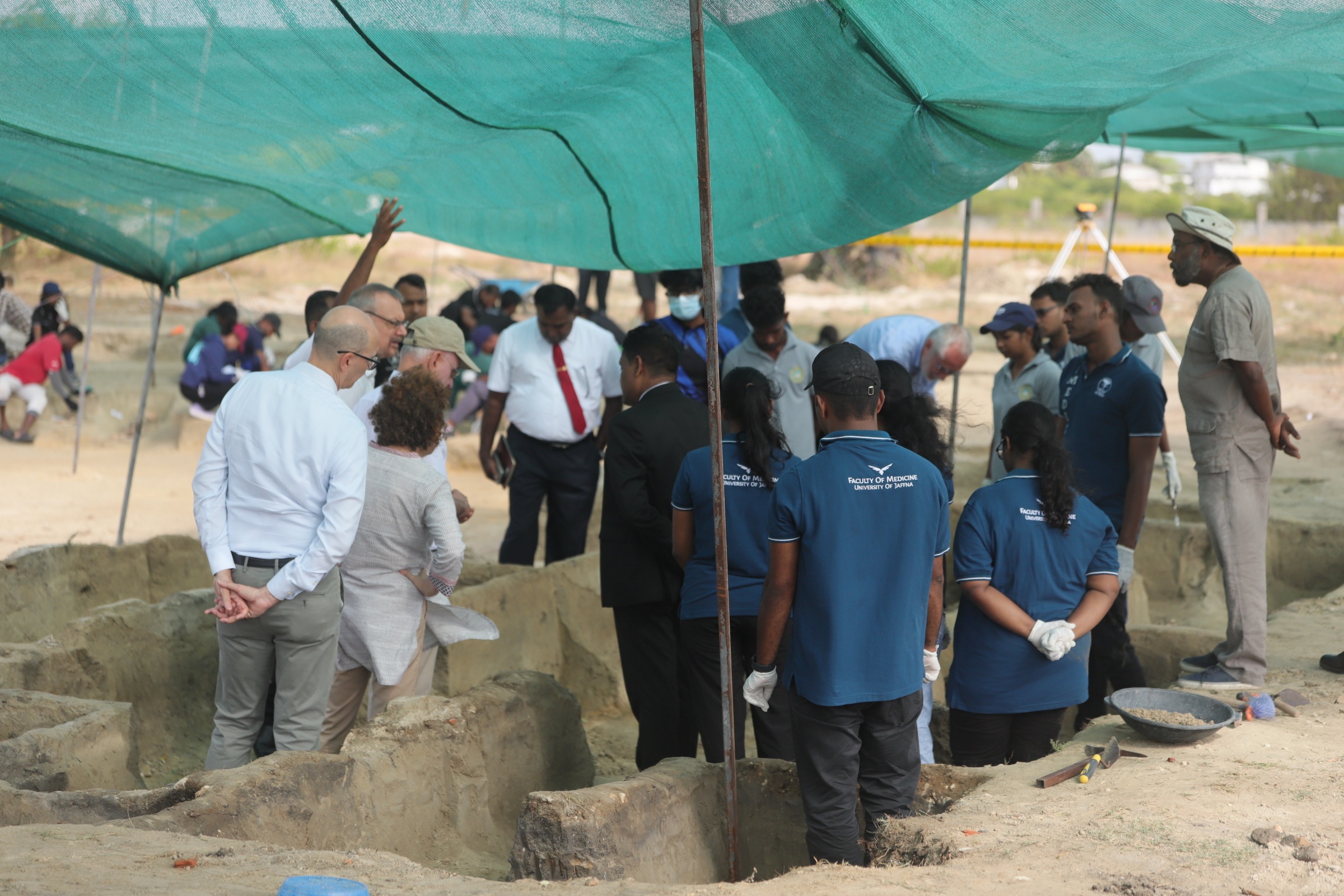
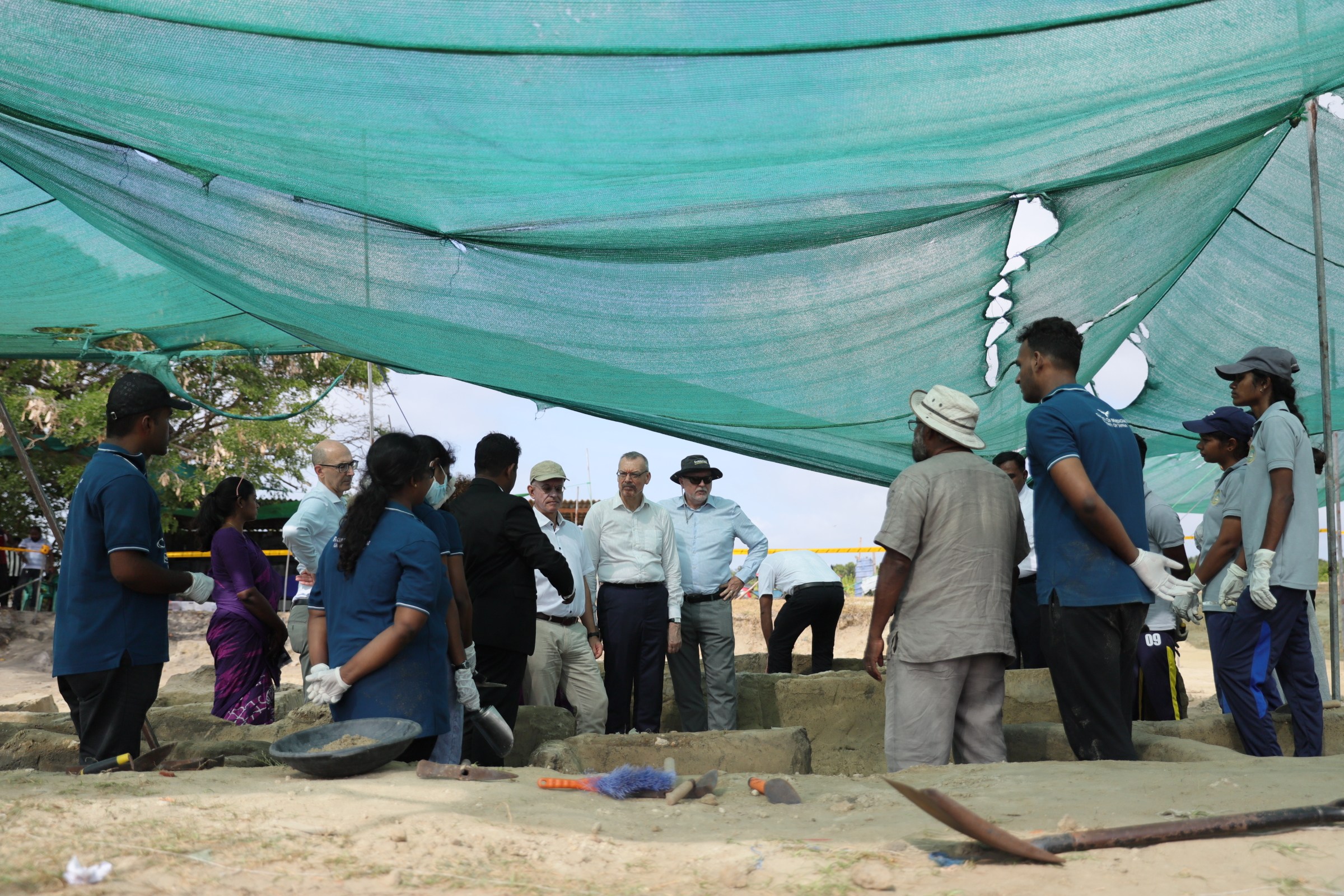
A European Union delegation visited the Chemmani mass grave excavation site in Jaffna on Wednesday, observing the court-supervised excavation and receiving updates on the investigation into a site that has become the largest mass grave ever uncovered on the island, as the number of sets of human remains identified there rose to 471.
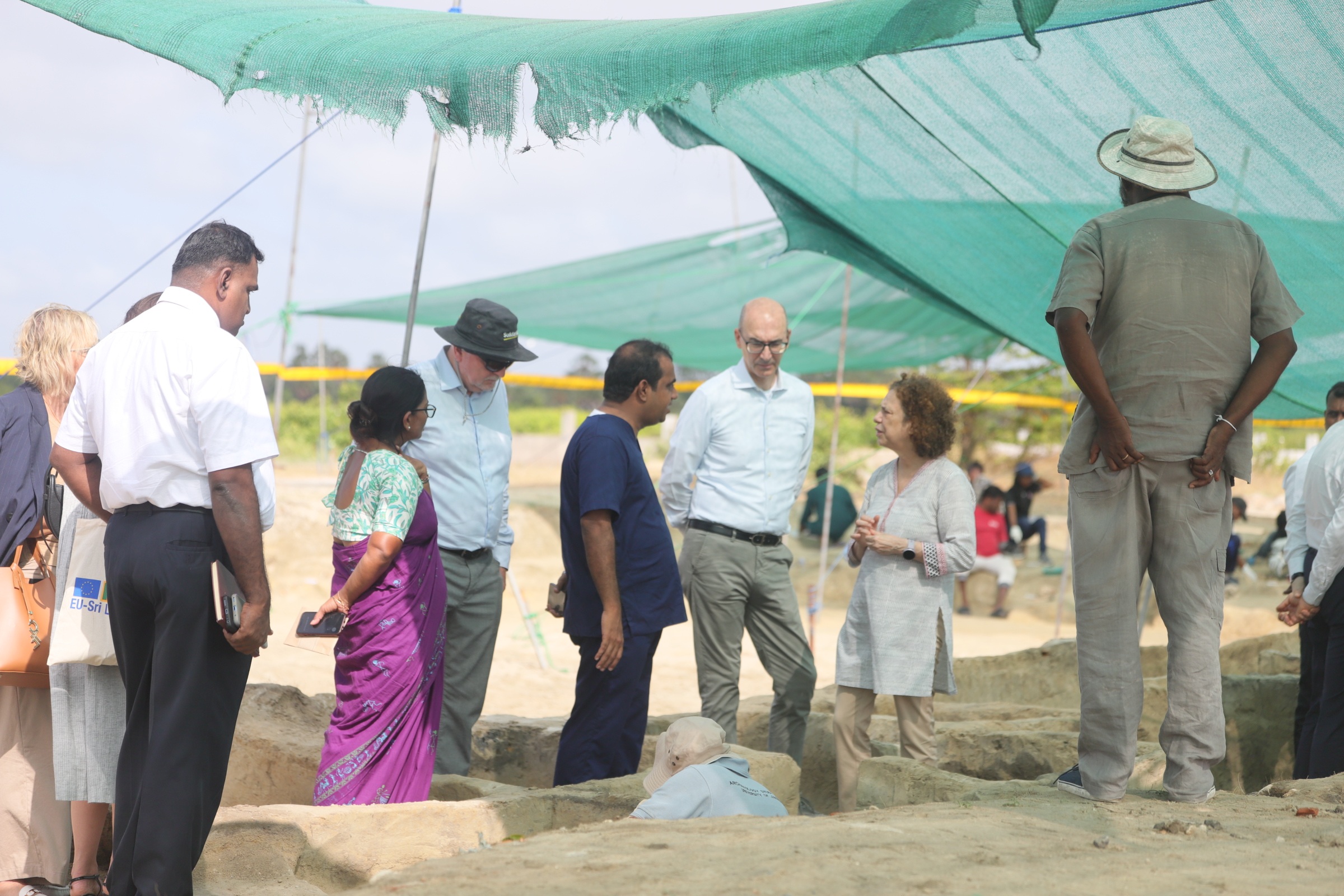
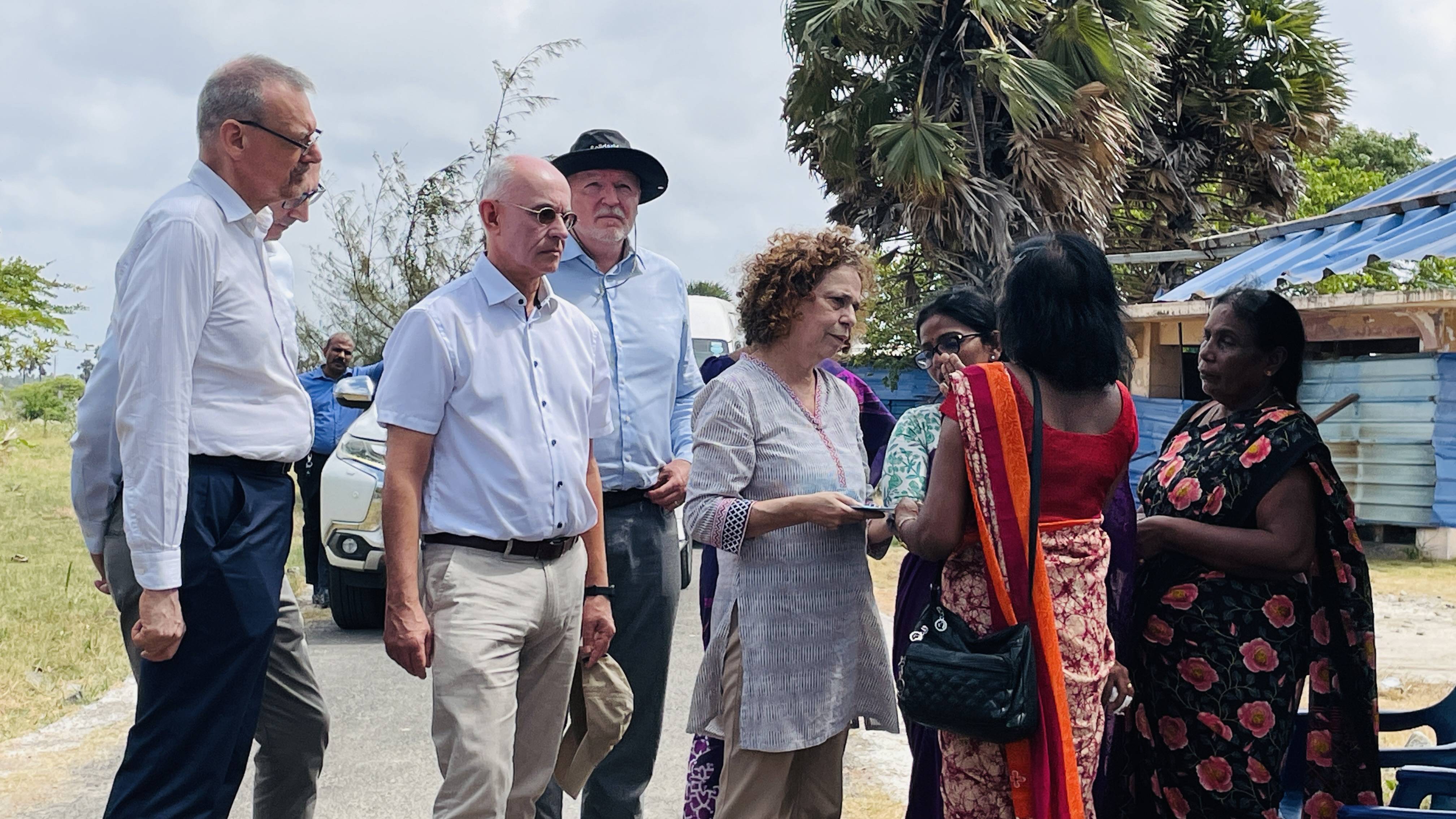
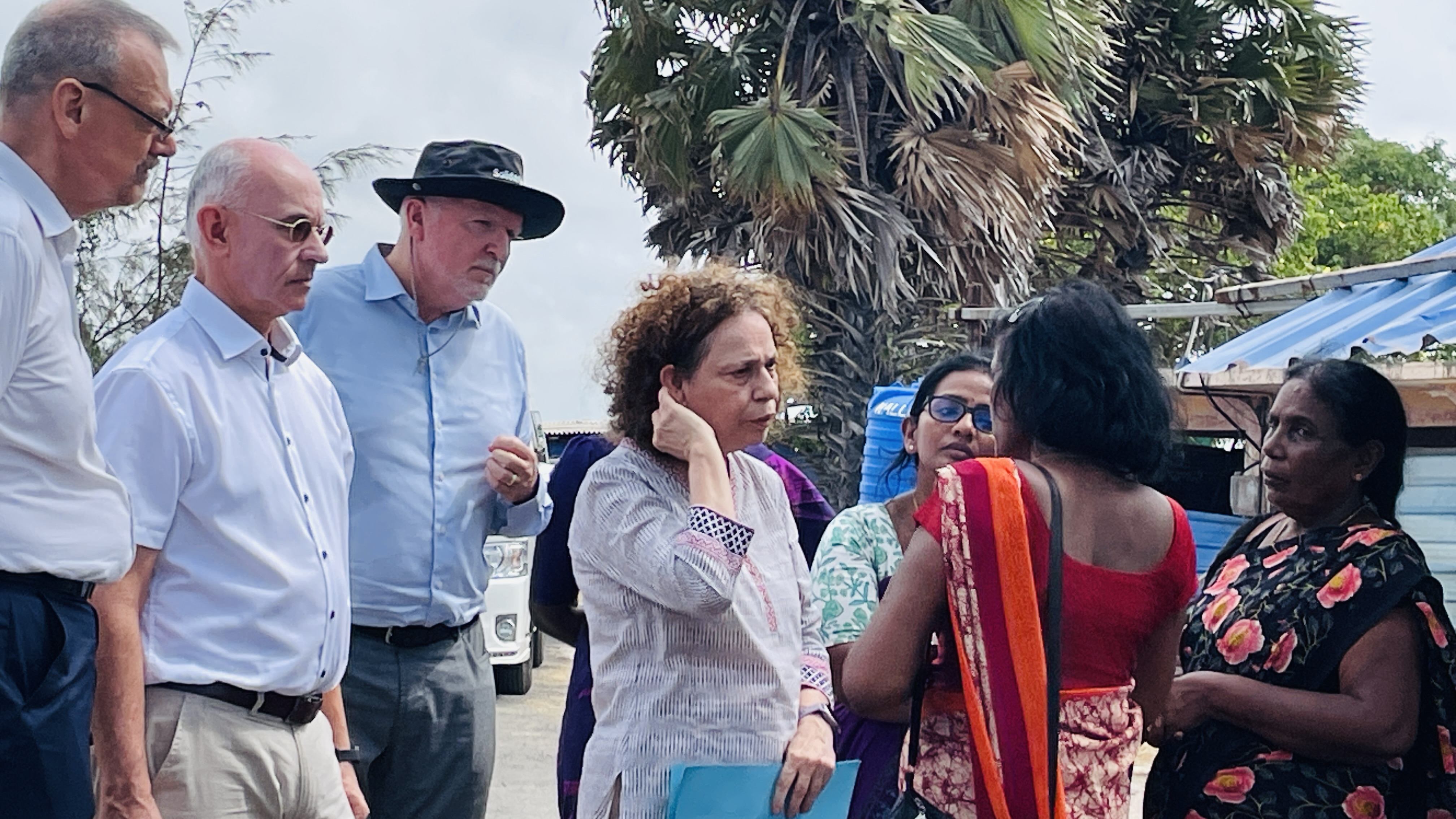
The visit went ahead after permission was granted by the Jaffna Magistrates Court. The delegation was led by EU Ambassador Carmen Moreno and included the German Ambassador Felix Neumann, the French Ambassador Rémi Lambert, the Italian Ambassador Damiano Francovigh and the Dutch Ambassador Wiebe De Boer, alongside EU Deputy Head of Delegation Galija Agisheva, Head of Cooperation Johann Hesse and Communication Coordinator Sara Fonseca Silva.
During the visit, the delegation observed excavation work underway at the site and was briefed by officials on the progress of the dig and the procedures being followed under the supervision of the Jaffna Magistrates Court. The delegation also met members of the team carrying out the excavation to ask about the progress of the investigation, Attorney-at-Law Ranitha said.
We were placing our lives in your hands
As the delegation visited, families of the forcibly disappeared staged a demonstration outside the excavation area, calling for international justice and rejecting any further domestic accountability mechanisms in Sri Lanka. Representatives of the protesters, including the President of the Association for Relatives of the Enforced Disappeared in the North and East, Yogarasa Kanagaranjini, met members of the delegation and handed over a memorandum setting out their demands.
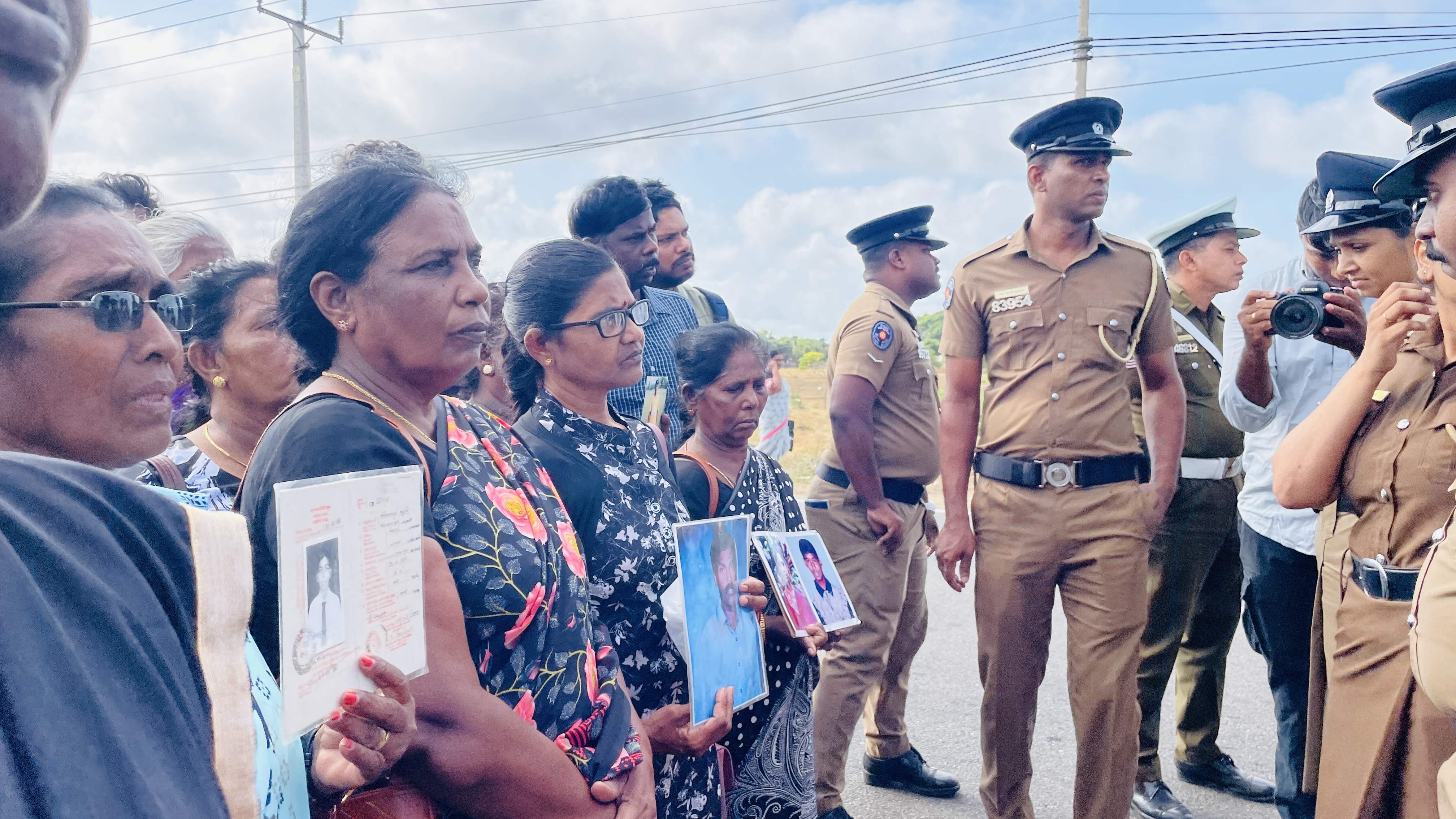
Speaking to the media afterwards, Kanagaranjini said the delegation had assured them it would do what it could, but described the response as "not satisfactory". The families unresolved demand, she said, is the international communitys recognition of the genocide of Tamils in Sri Lanka and the initiation of an international investigation into the fate of the disappeared.
"We need to know what happened to our relatives. The international community must accept that what happened in Sri Lanka was a genocide. Through that, an international justice mechanism must be established."
She rejected domestic accountability mechanisms, including investigations conducted by the Sri Lankan state and institutions such as the Office on Missing Persons, saying the families no longer had confidence that justice could be delivered through entities affiliated with the same state that carried out the genocide.
"We will never accept domestic mechanisms or investigations established by the Sri Lankan government. The Sri Lankan state will never deliver justice to us," she said.
Kanagaranjini said more than 450 relatives of the disappeared who had campaigned alongside them had died without seeing justice, and called for those responsible to be prosecuted before the International Criminal Court. Many special delegations and representatives had visited the site over the years, she added, but none had so far offered the families any meaningful assurances.
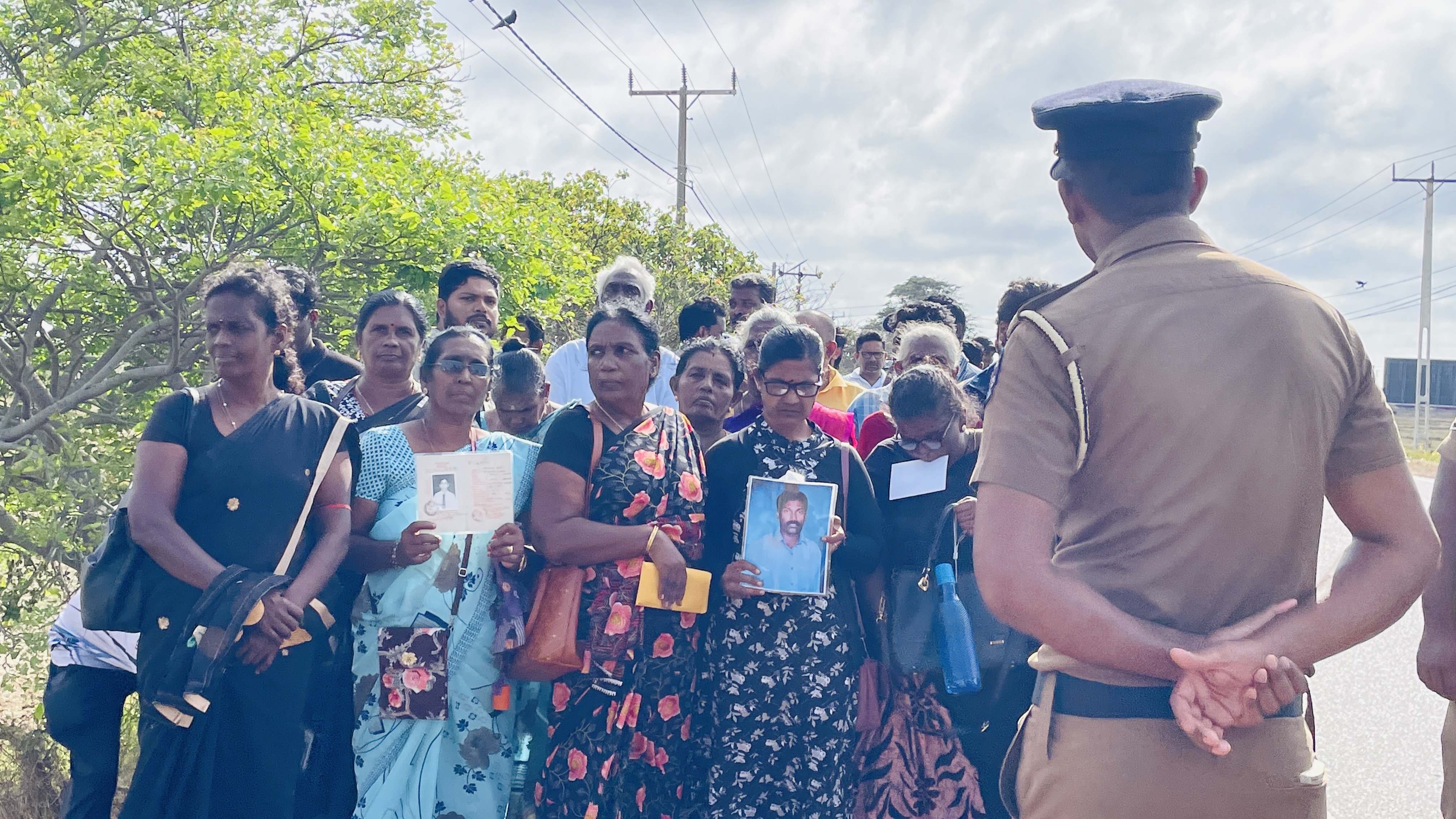
"We told the EU special delegation that, now that you have come here, you must raise our issues before the United Nations and countries that value human rights, and help ensure that an international investigation is carried out to secure justice for us. We handed over our memorandum with that request.
This is not just a memorandum. We handed it over saying that we were placing our lives in your hands."
The islands largest mass grave
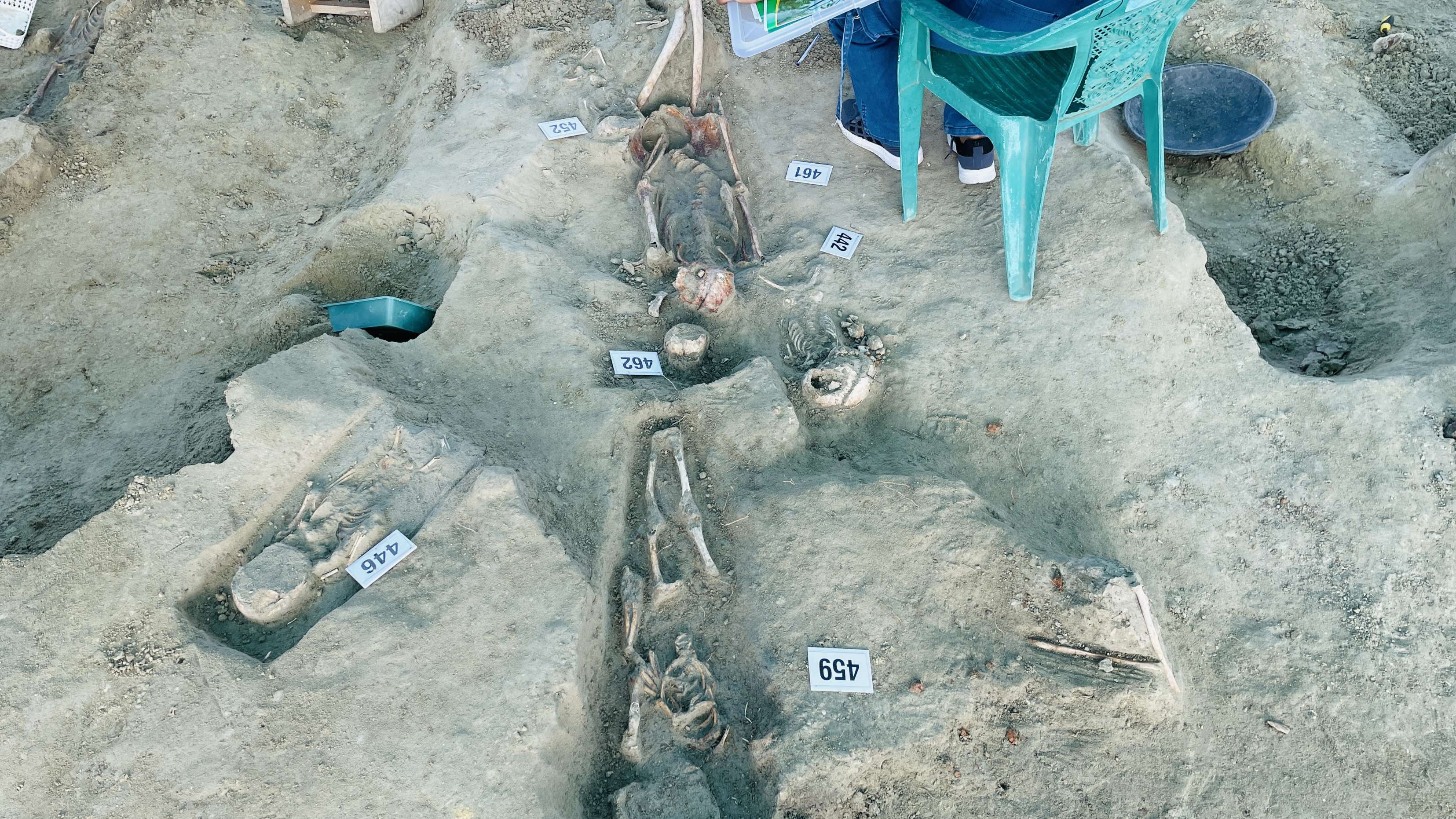
Wednesday marked the 40th day of the third phase of court-authorised excavations, which is being carried out under a court order permitting 56 days of work. Four further sets of human remains were found during the day, while eleven previously identified sets were exhumed, according to Ranitha.
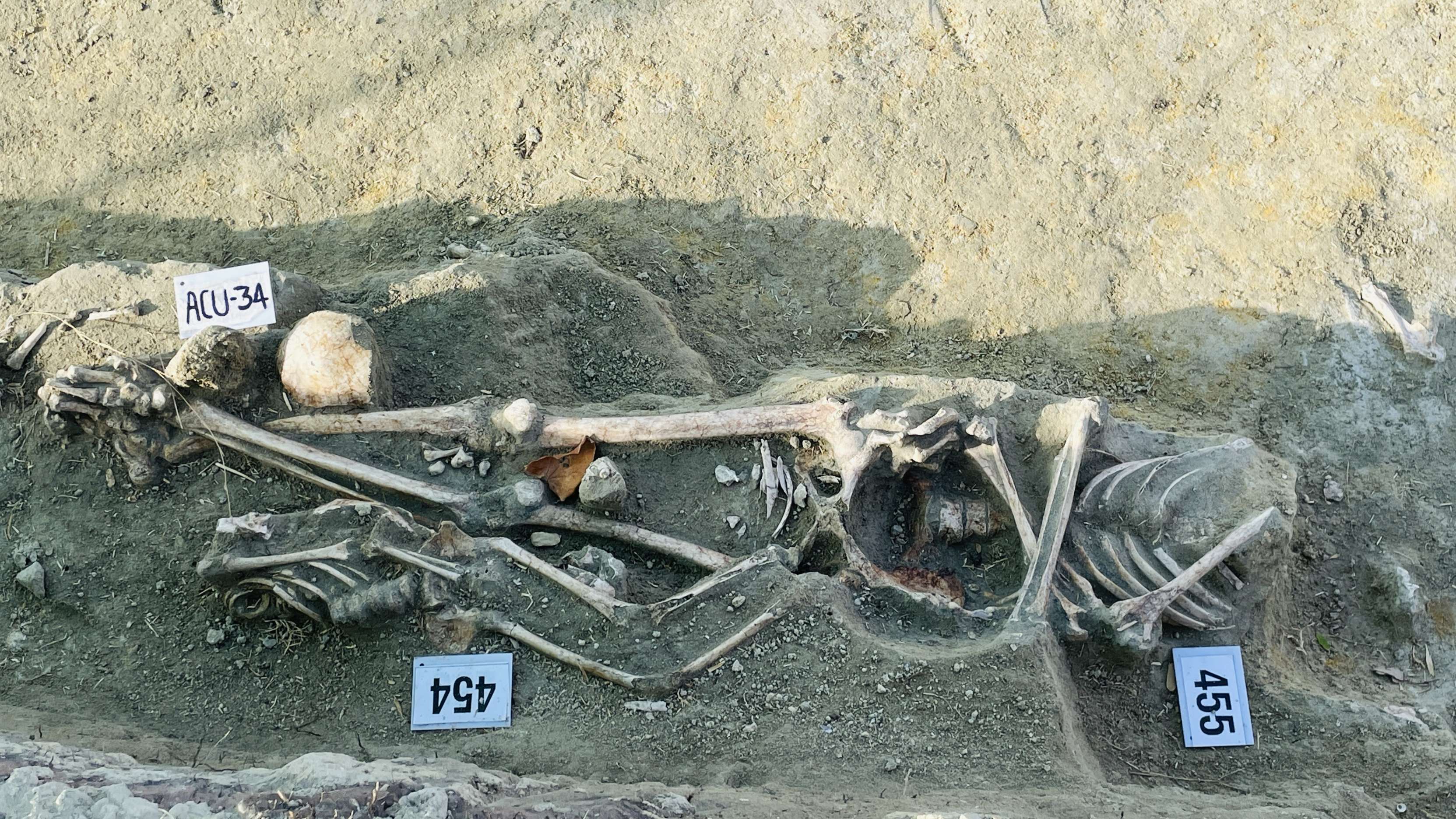
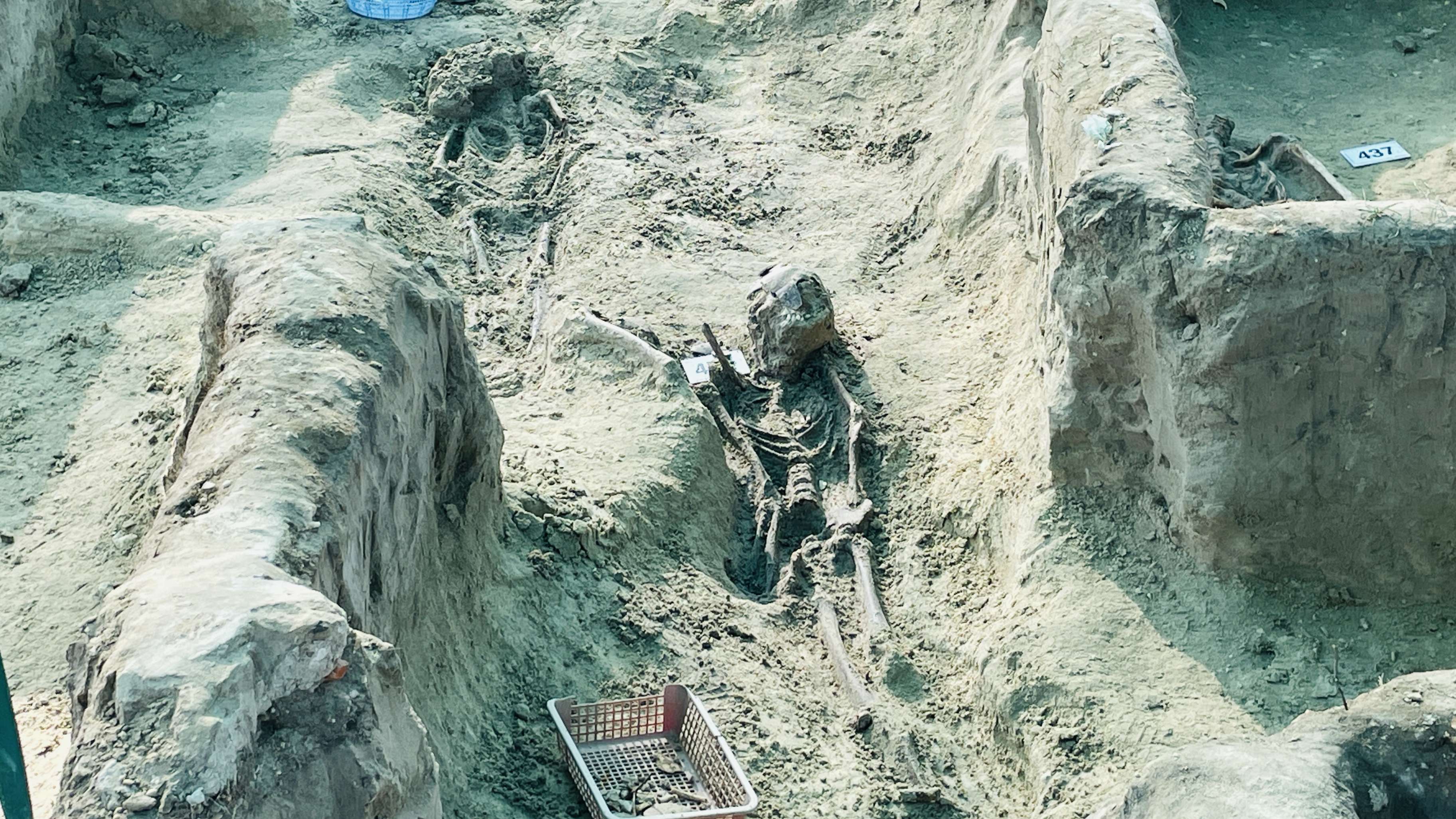
With Wednesdays findings, 471 sets of human remains have now been identified across the first, second and third phases of the Chemmani excavations, of which 455 have been fully exhumed over 94 days of work.
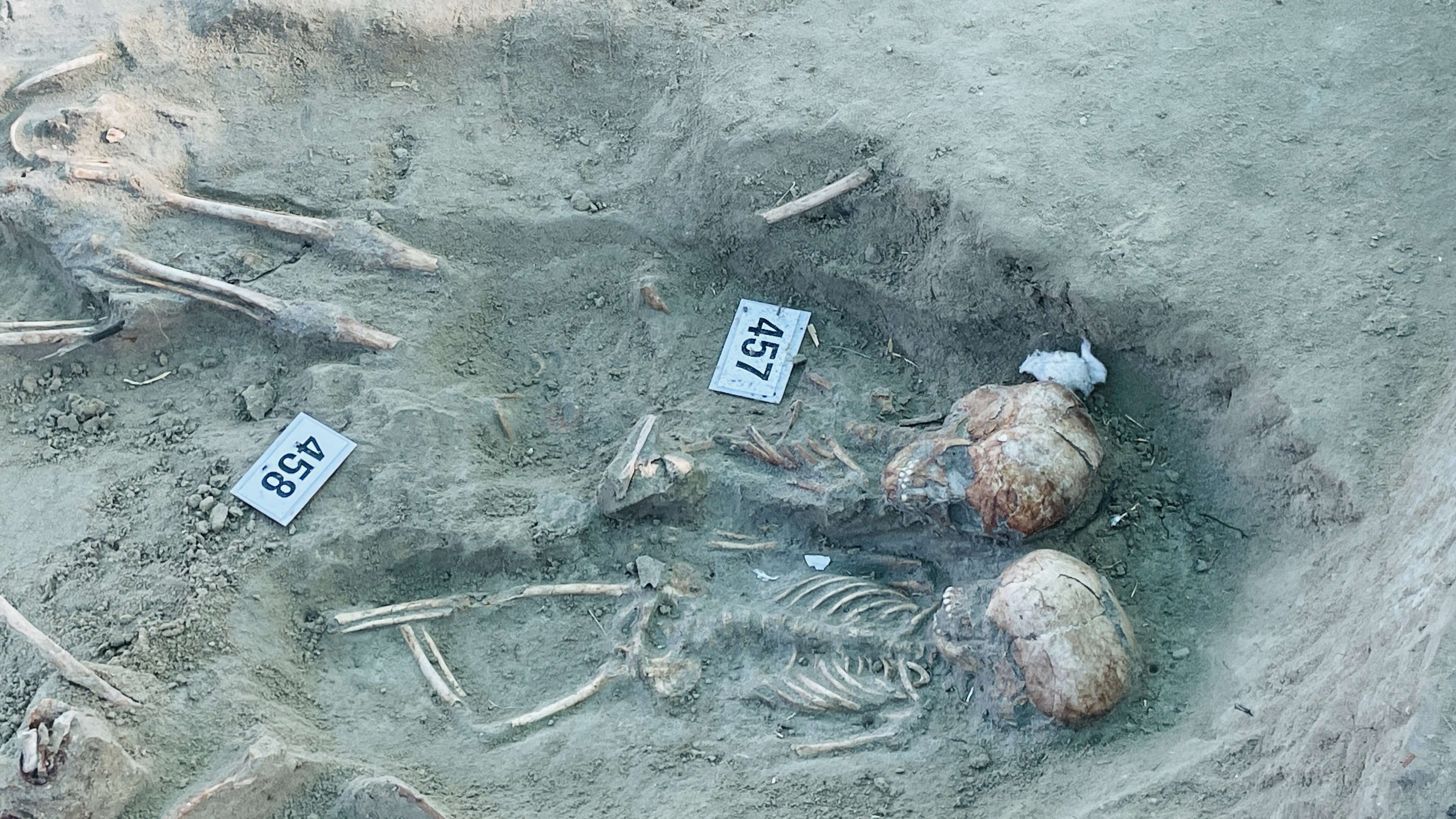
Chemmani has surpassed the Mannar Sathosa mass grave, where 376 skeletal remains were recovered, to become the largest such site uncovered in Sri Lanka. As excavations have progressed, investigators have continued to uncover remains in clusters, including a growing number of children and infants, alongside artefacts such as clothing, feeding bottles, toys and beads.
The delegations visit follows one last month by Sri Lankas Justice Minister, Harshana Nanayakkara, who was accompanied by officials from the Office on Missing Persons and said his ministry would take all necessary steps to ensure justice in the investigation. Families of the disappeared protested along the A9 road adjacent to the site during that visit, calling for international supervision, and the minister proceeded past the demonstrators without stopping to engage with them. A heavy police presence was deployed, and police had obtained a court order against seven individuals, among them relatives of the disappeared, prohibiting them from disrupting the visit.
Despite the scale of the discoveries, the process of identifying the dead has still not begun. Legal experts at the site have stressed that excavation and exhumation is only the first stage of the investigation. Further forensic examination will be required to determine age, sex and possible cause of death, while DNA analysis and identification can proceed only at a later stage, once the necessary forensic processes are complete and relatives come forward to assist in matching the remains.
Families of the disappeared have maintained continuous roadside protests since February 2017, beginning in Kilinochchi and spreading across Vavuniya, Trincomalee, Mullaitivu and beyond, in one of the longest sustained protests anywhere in the world, without a single one of their core demands being met. They have consistently rejected the Office on Missing Persons, established in 2017, along with offers of compensation and death certificates, arguing that successive Sri Lankan governments have created bodies that allow alleged perpetrators to investigate their own crimes.
மேலும் படிக்க »
இந்த செய்தியைப் பற்றிய கருத்தை பதிவு செய்யுங்கள். மேலும் இந்த செய்தியை உங்கள் நண்பர்களுடன் பகிர்ந்து கொள்ளுங்கள்.