Recognise the genocide, families of the disappeared tell EU at Chemmani
Recognise the genocide, families of the disappeared tell EU at Chemmani by abilash
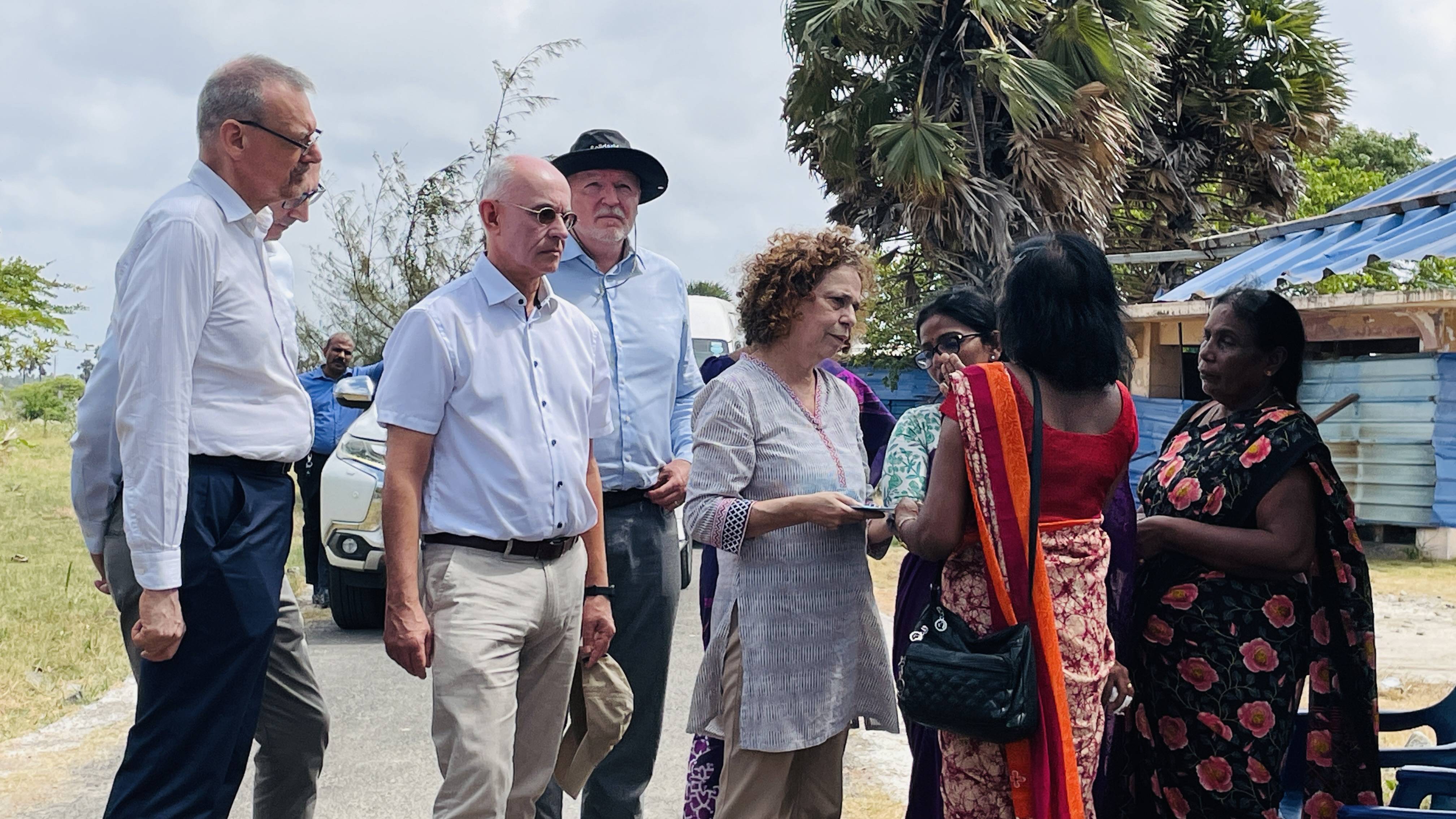
Tamil relatives of the forcibly disappeared have called on the European Union to recognise that Tamils were subjected to genocide and to support an international investigation, confronting an EU delegation during its visit to the Chemmani mass grave excavation site in Jaffna on Wednesday and describing the delegations response to their demands as "not satisfactory".
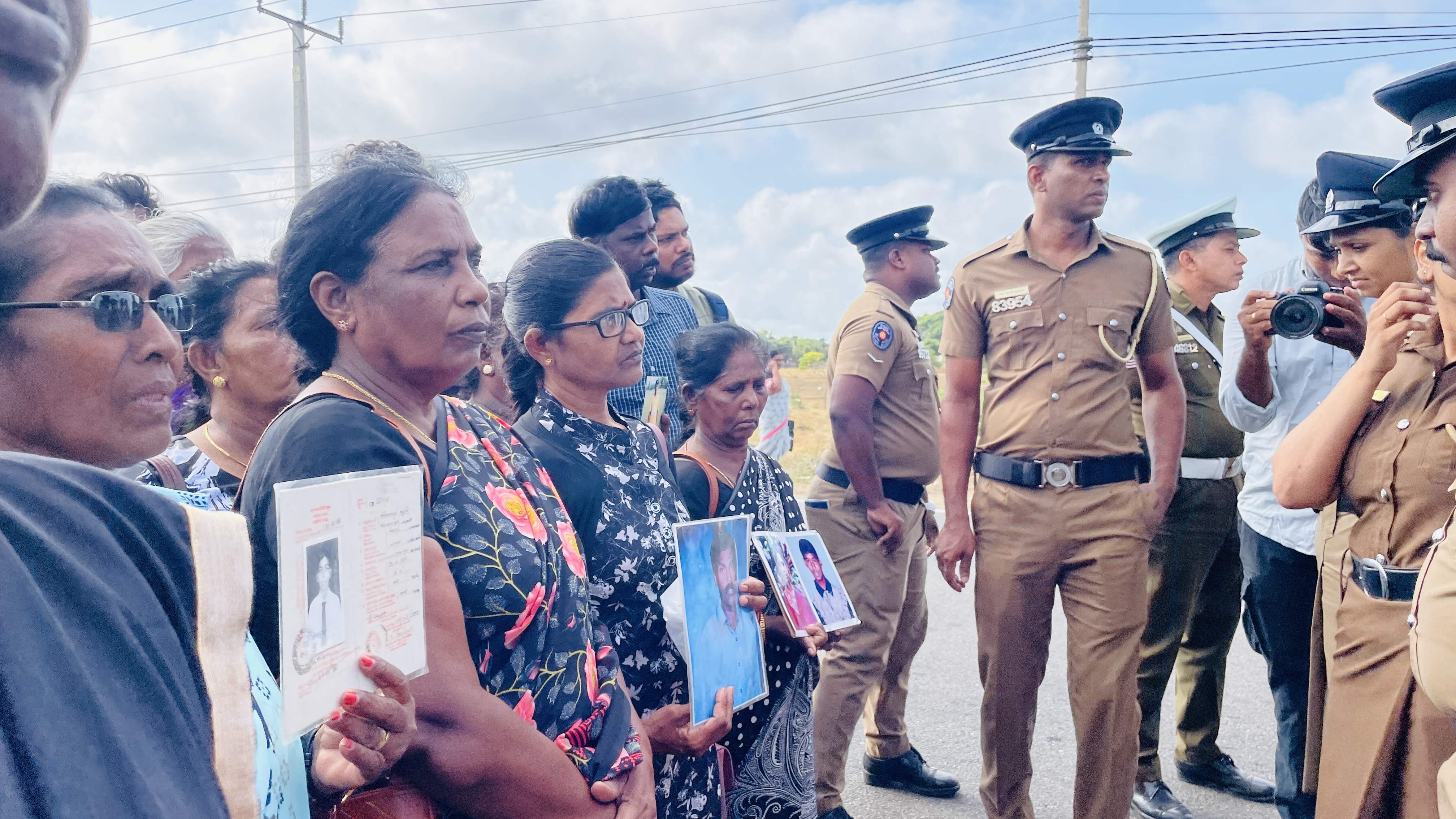
Families of the disappeared staged a demonstration outside the mass grave site during the visit, calling for international justice and rejecting any further domestic accountability mechanisms in Sri Lanka. Representatives of the protesters, including the President of the Association for Relatives of the Enforced Disappeared in the North and East, Yogarasa Kanagaranjini, met members of the EU delegation and handed over a memorandum setting out their demands.
Speaking to the media after the meeting, Kanagaranjini said the delegation had assured them it would do what it could, but stressed that the response had not met the families expectations.
The families unresolved demand, she said, is the international communitys recognition of the genocide of Tamils in Sri Lanka and the initiation of an international investigation into the fate of the disappeared.
"We need to know what happened to our relatives. The international community must accept that what happened in Sri Lanka was a genocide. Through that, an international justice mechanism must be established."
Kanagaranjini rejected domestic accountability mechanisms, including investigations conducted by the Sri Lankan state and institutions such as the Office on Missing Persons, saying the families no longer had confidence that justice could be delivered through entities affiliated with the same state that carried out the genocide.
"We will never accept domestic mechanisms or investigations established by the Sri Lankan government. The Sri Lankan state will never deliver justice to us," she said.
The families had appeared before numerous commissions of inquiry and met successive government representatives over the years without obtaining any answers, she said, which was why they continued to seek an international investigation.
Kanagaranjini said more than 450 relatives of the disappeared who had campaigned alongside them had died without seeing justice, and called for those responsible to be prosecuted before the International Criminal Court.
"It is up to the international community to obtain information and expose what happened to those who were handed over Following the brutal war and genocide. The perpetrators will never give us a solution. The murderers must be brought before the International Criminal Court."
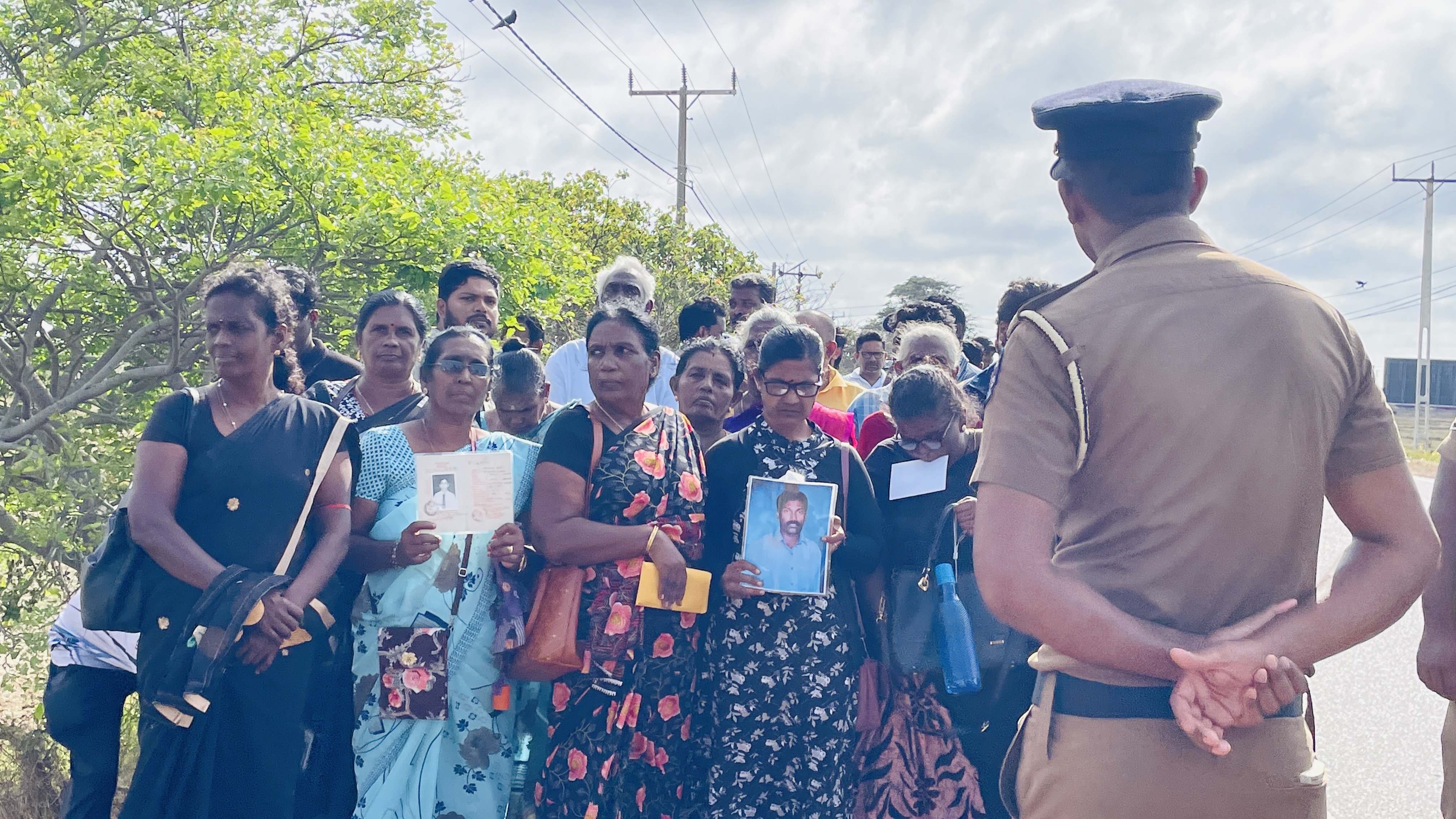
Many special delegations and representatives had visited the site over the years, she added, but none had so far offered the families any meaningful assurances.
"We told the EU special delegation that, now that you have come here, you must raise our issues before the United Nations and countries that value human rights, and help ensure that an international investigation is carried out to secure justice for us. We handed over our memorandum with that request.
This is not just a memorandum. We handed it over saying that we were placing our lives in your hands."
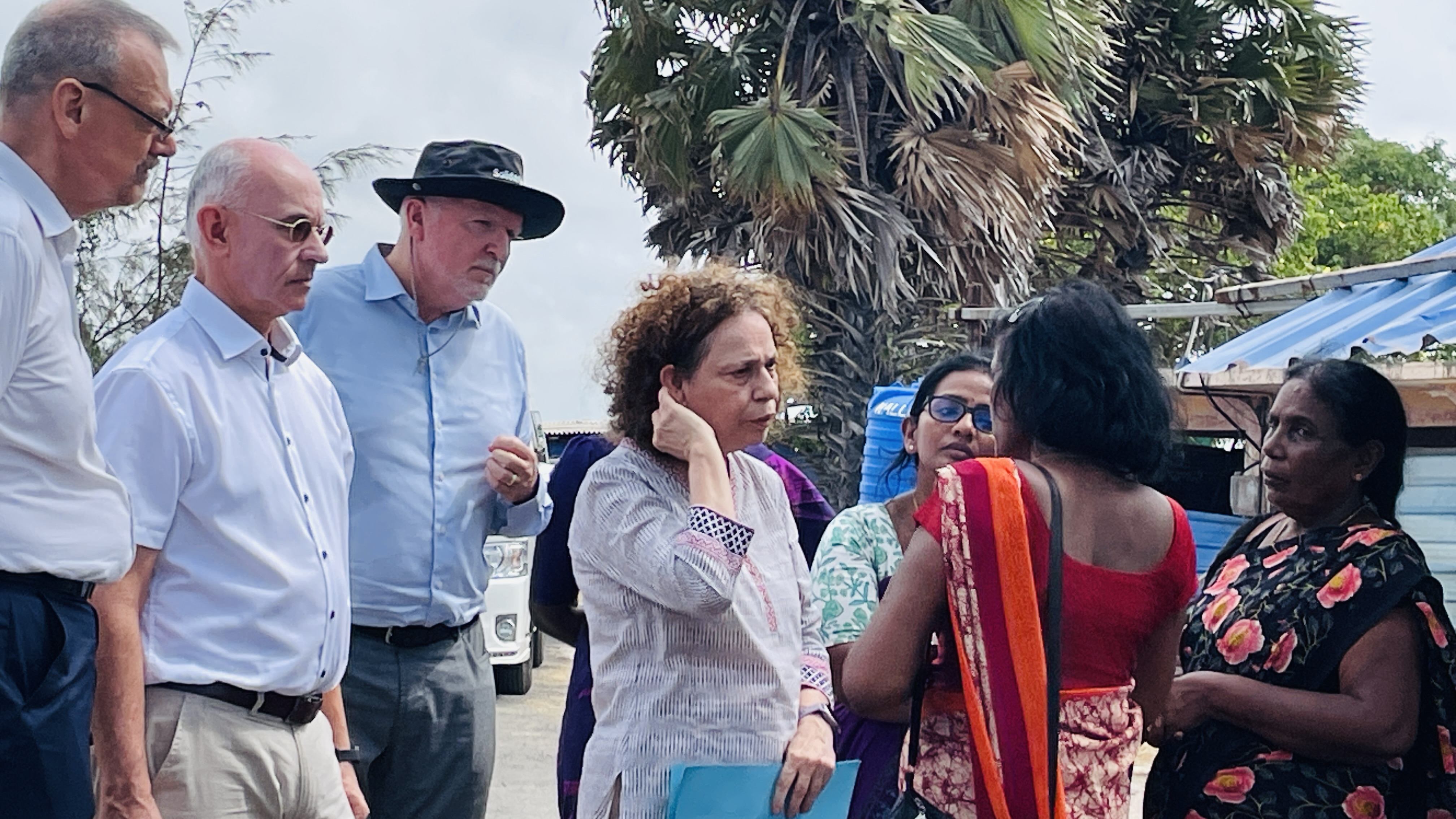
The delegations visit followed the Jaffna Magistrates Court granting permission for the inspection on Monday. Excavations at Chemmani have now run to 92 days across three court-authorised phases, with 454 sets of skeletal remains identified and 440 fully exhumed, among them the remains of infants and young children, some recovered alongside schoolbags and clothing. The UN High Commissioner for Human Rights, Volker Türk, visited the site in 2025, and human rights organisations including the International Commission of Jurists have urged international oversight of the investigation.
Families of the disappeared have maintained continuous roadside protests since February 2017, beginning in Kilinochchi and spreading across Vavuniya, Trincomalee, Mullaitivu and beyond, in one of the longest sustained protests anywhere in the world, without a single one of their core demands being met. They have consistently rejected the Office on Missing Persons, established in 2017, along with offers of compensation and death certificates, arguing that successive Sri Lankan governments have created bodies that allow alleged perpetrators to investigate their own crimes. Their demand has remained the same throughout, an independent international investigation and the
மேலும் படிக்க »
இந்த செய்தியைப் பற்றிய கருத்தை பதிவு செய்யுங்கள். மேலும் இந்த செய்தியை உங்கள் நண்பர்களுடன் பகிர்ந்து கொள்ளுங்கள்.