Chemmani toll rises to 420 as more children’s remains unearthed
Chemmani toll rises to 420 as more children’s remains unearthed by abilash
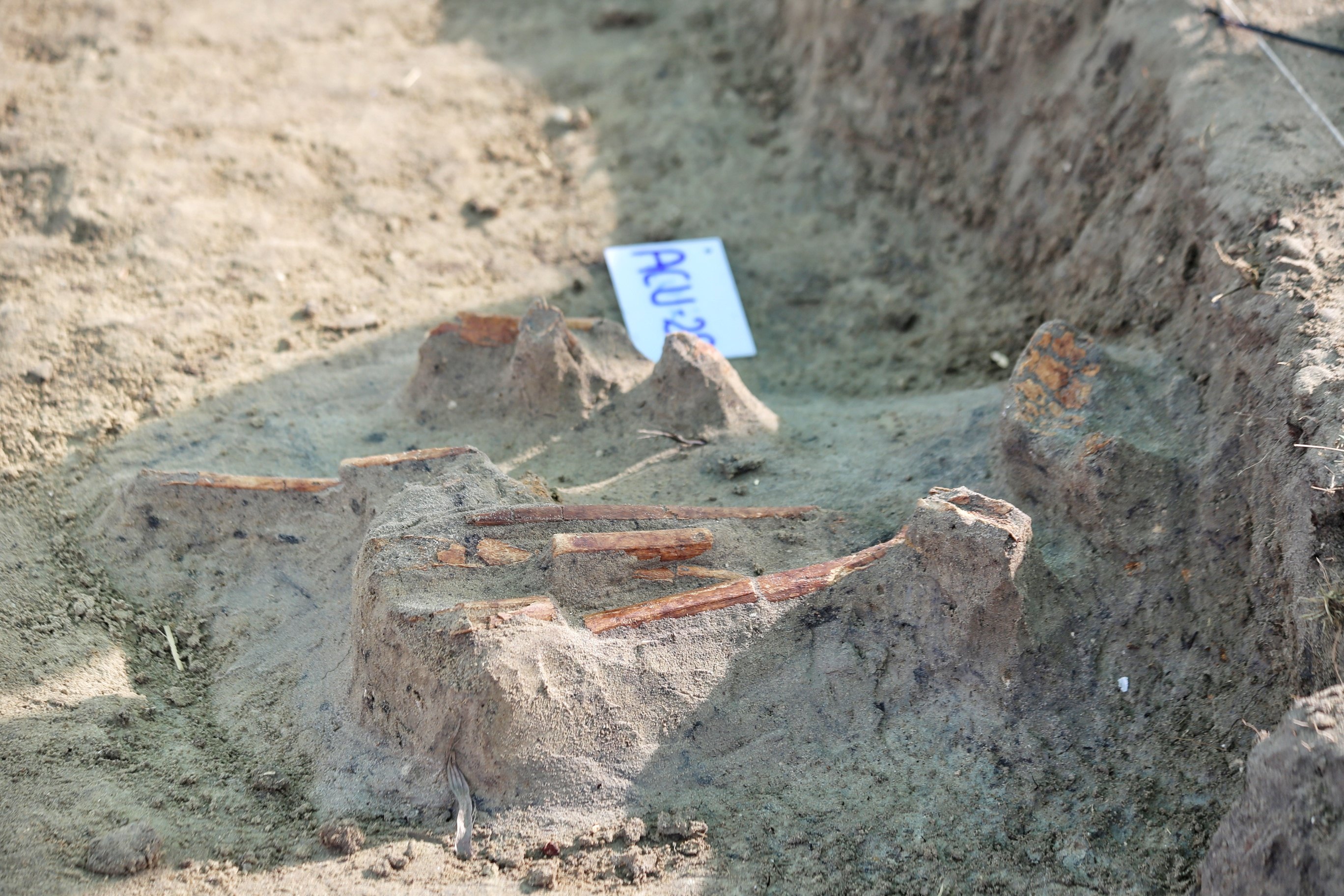
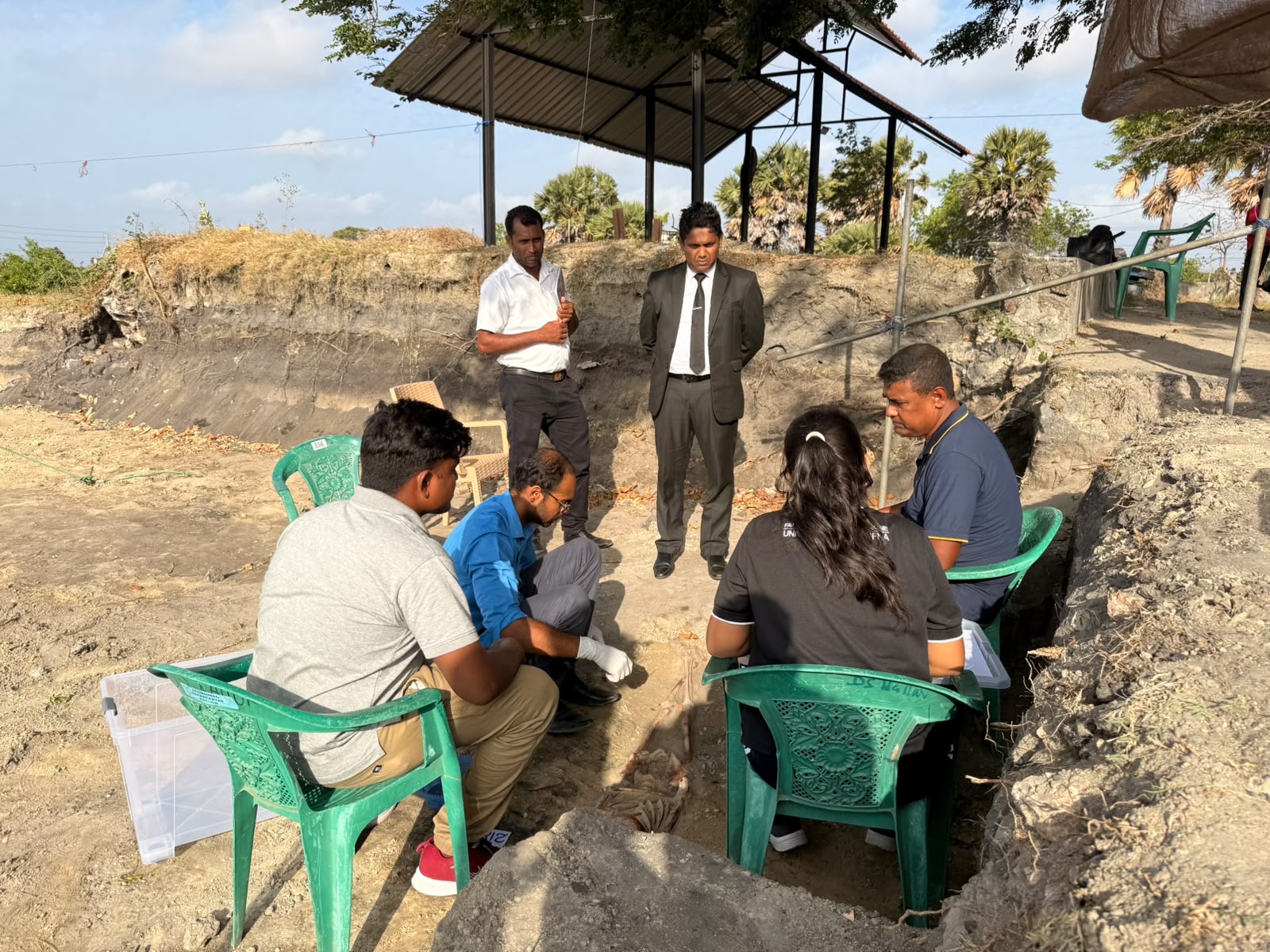
Court-supervised excavations at the Chemmani mass grave in Jaffna have identified six more skeletal remains, bringing the total number uncovered across all phases to 420.
The latest findings came on Thursday, the 34th day of the third phase of excavations, just a day after renewed work at the site identified the skeletal remains of two children.
The Jaffna Court had authorised 56 days of excavation work for the third phase. Thirty-two days had been completed before operations were temporarily suspended on 23 June, with work resuming on Wednesday.
On Wednesday, two new sets of skeletal remains were identified, both belonging to children. Two separate clusters of skeletal remains were also identified at the site.
No skeletal remains were fully exhumed during Wednesday’s excavation work.
At the end of Wednesday’s work, 414 skeletal remains had been identified across all three phases, of which 409 had been fully exhumed.
Excavations continued on Thursday, when six additional skeletal remains were identified.
Investigators also exhumed seven previously identified skeletal remains, including the remains of one infant and three children.
A bead was also recovered from the site as an item of evidential value.
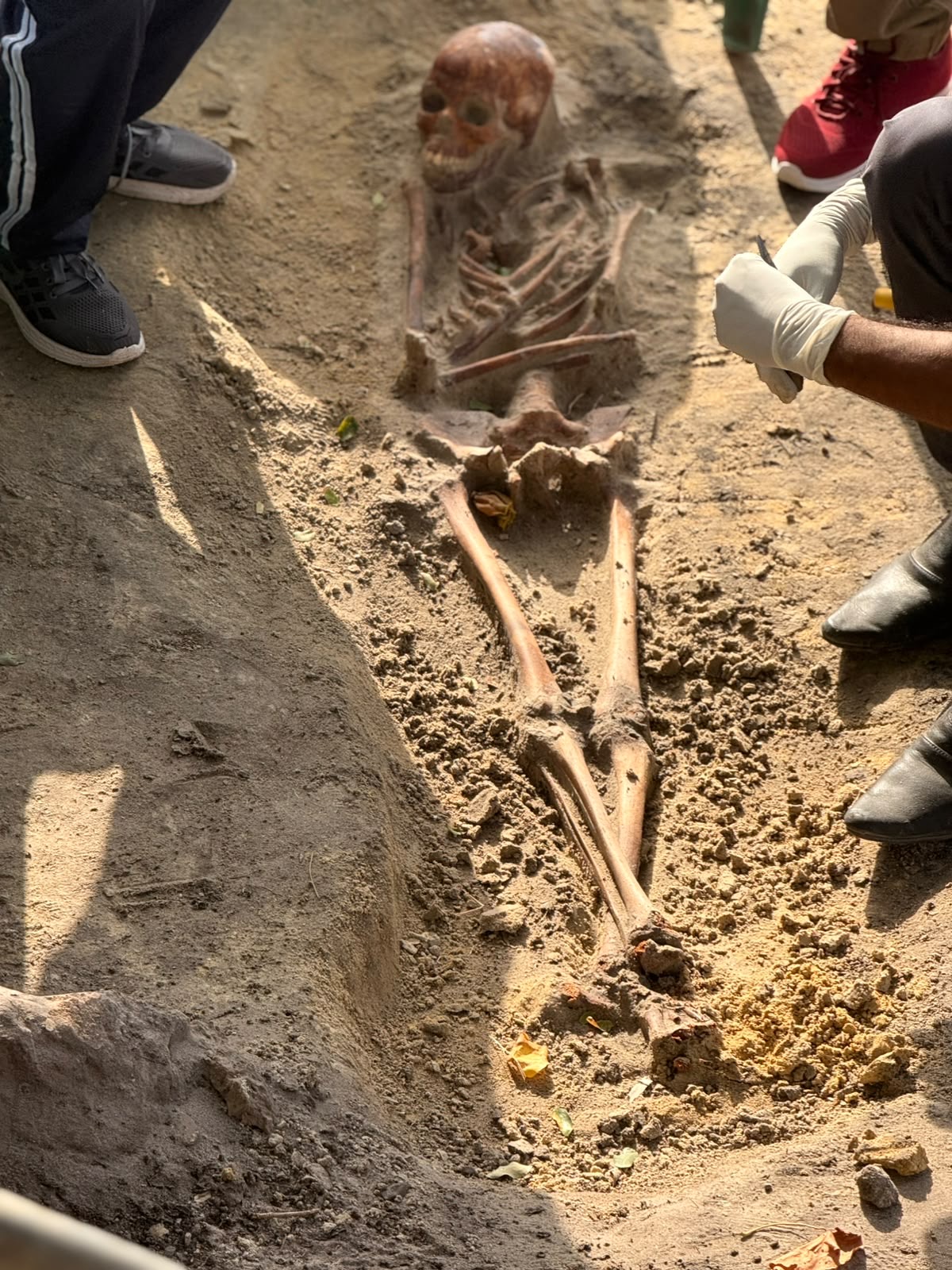
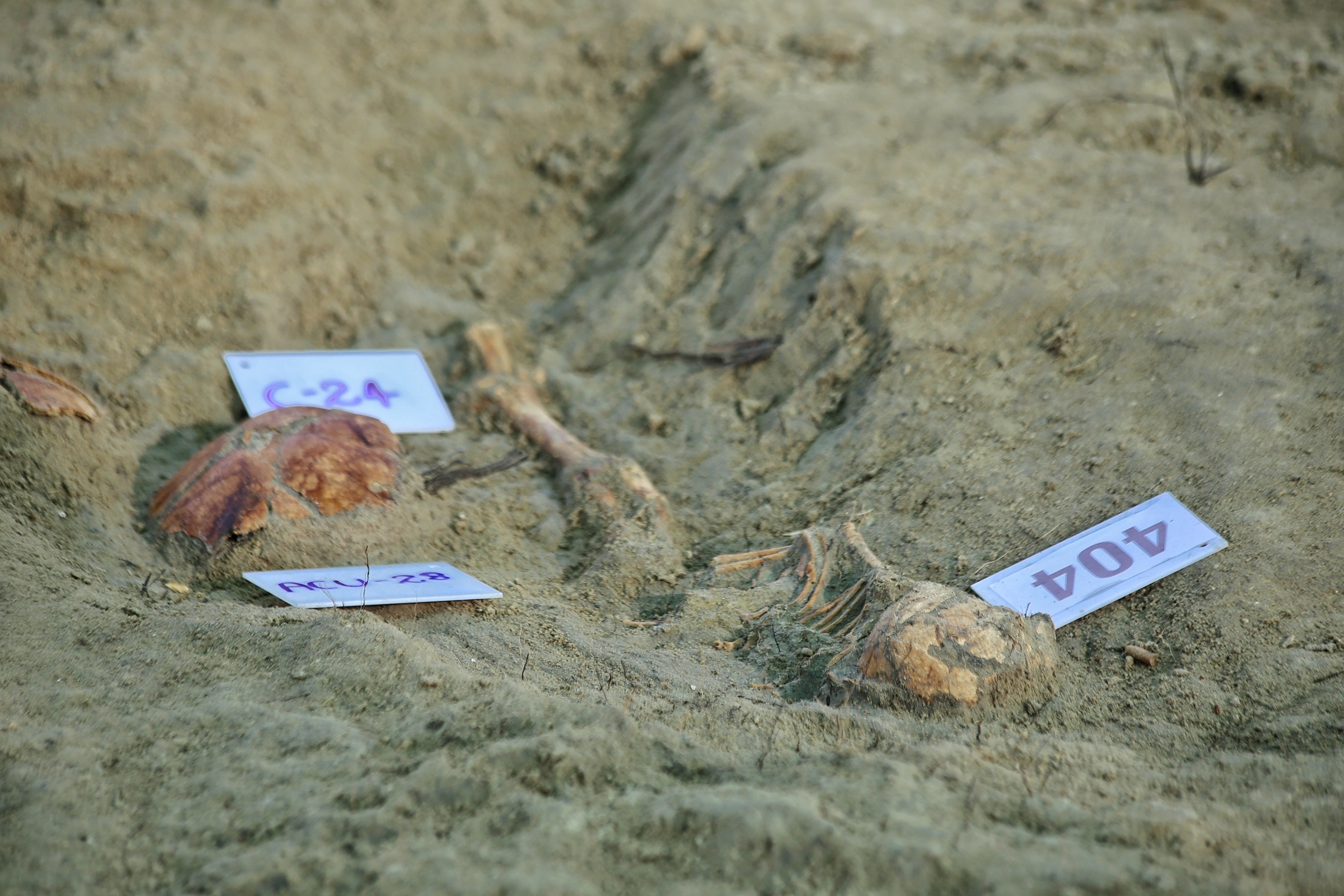
Across the first, second and third phases of the court-supervised excavations, which have now spanned 88 days, 420 skeletal remains have been identified. Of those, 416 have been fully exhumed.
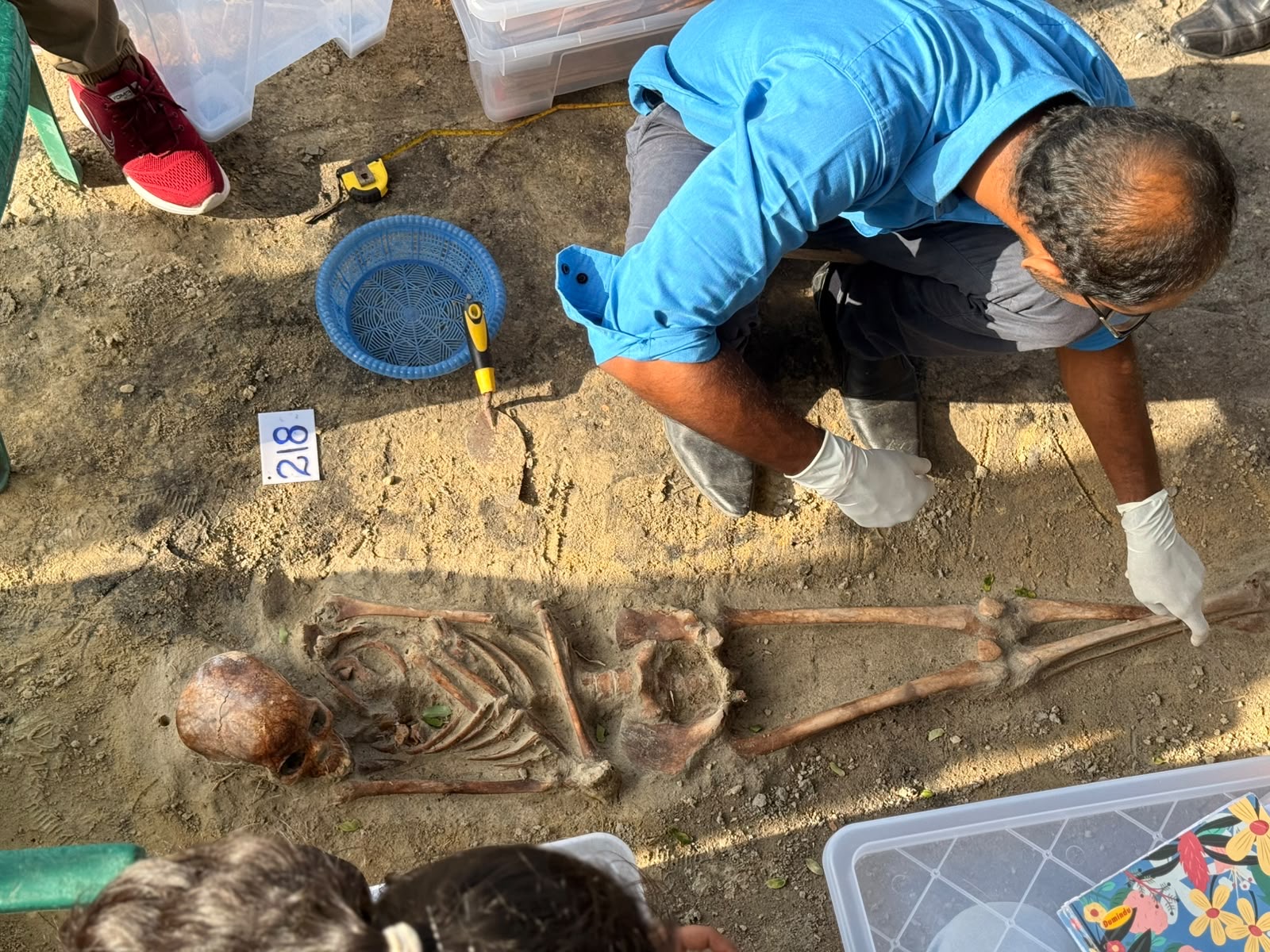
Chemmani became the largest mass grave uncovered on the island last month, surpassing the 376 skeletal remains recovered from the Mannar Sathosa mass grave.
Excavations have repeatedly uncovered the remains of infants and children, alongside artefacts including clothing, feeding bottles, toys and beads, deepening concerns over the identity of those buried at the site.
Despite the scale of the excavation, the process of identifying the dead has still not begun.
Last month, 427 torches were lit at Chemmani to remember the dead still unnamed, representing the 412 skeletal remains identified at the time together with the 15 sets recovered during excavations carried out in 1999.
The Chemmani mass grave first came to international attention in 1998 after Sri Lankan soldier Lance Corporal Somaratne Rajapakse testified that hundreds of Tamils who disappeared during the military’s occupation of Jaffna had been buried there. Rajapakse made the disclosure after being convicted over the rape and murder of Tamil schoolgirl Krishanthi Kumaraswamy, who was killed after being stopped at a Sri Lankan army checkpoint in Jaffna. Her mother, brother and a neighbour were also murdered.
Rajapakse later made further allegations about mass graves, torture camps and political cover-ups, implicating senior politicians and the Sri Lankan army.
Families of the disappeared and Tamil civil society organisations have continued to call for an internationally supervised investigation, citing decades of failed domestic inquiries and the lack of accountability for enforced disappearances.
The growing toll at Chemmani has intensified those demands.
மேலும் படிக்க »
இந்த செய்தியைப் பற்றிய கருத்தை பதிவு செய்யுங்கள். மேலும் இந்த செய்தியை உங்கள் நண்பர்களுடன் பகிர்ந்து கொள்ளுங்கள்.