Palaly land will not be returned, says deputy minister, as 1,661 more acres are seized
Palaly land will not be returned, says deputy minister, as 1,661 more acres are seized by abilash
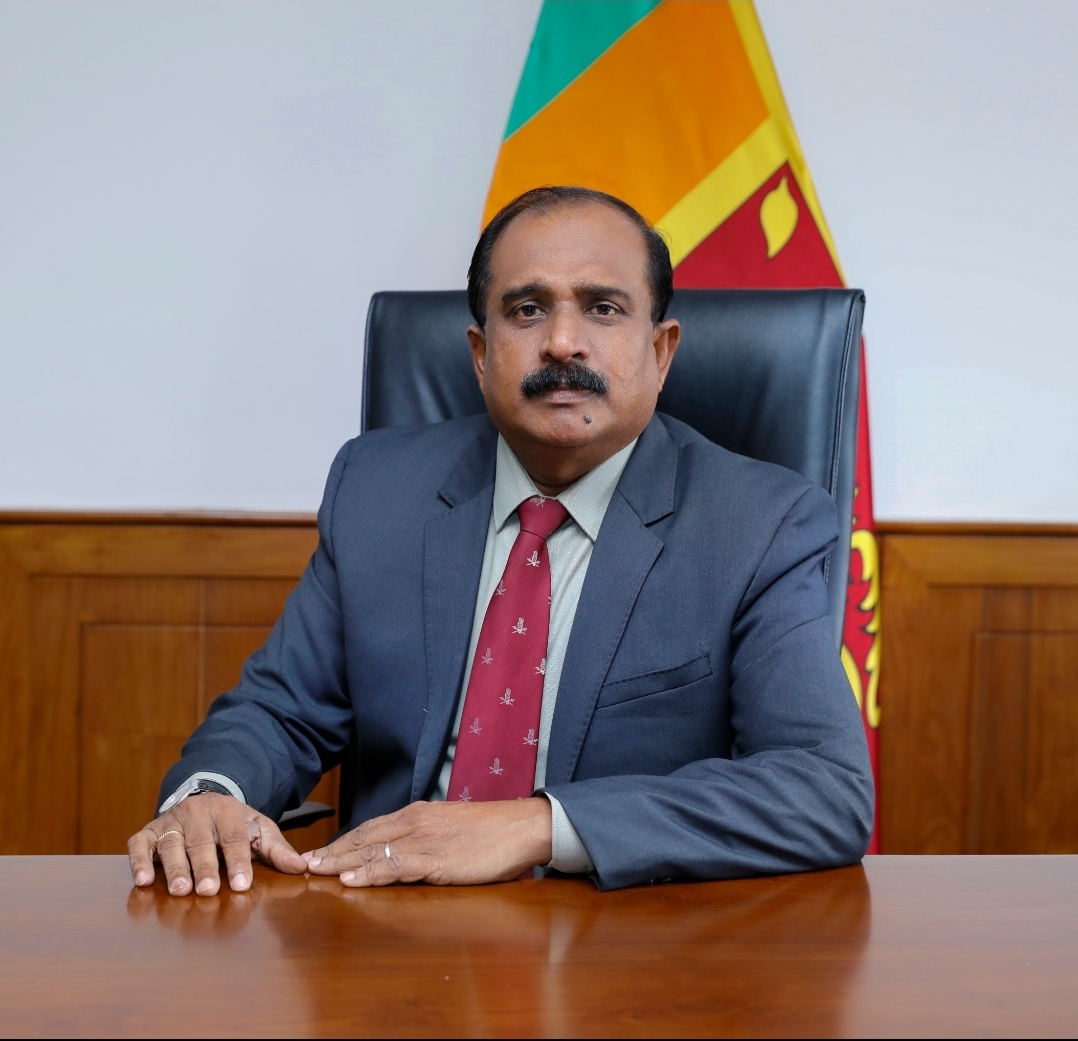
Sri Lankas deputy defence minister, Aruna Jayasekara, has said that land within the High Security Zones of the North-East considered essential for "national security" will not be returned to its original owners, disclosing that a further 1,661 acres are to be permanently acquired for military infrastructure.
Responding to questions raised under Standing Order 27(2) by the MP Dr Archchuna Ramanathan in parliament on Thursday, Jayasekara said the Palaly area had been designated a critical High Security Zone (HSZ) and that legal procedures were under way to acquire the 1,661 acres permanently, with the Ministry of Lands to compensate the private landowners as part of the process.
He went further, telling parliament that the Civil Aviation Authority, through the Sri Lanka Air Force, had advised that yet more land around the 774.98-acre Palaly Airport would be needed for future international aviation expansion, and that the Ministry of Defence had instructed the Ministry of Lands, the Survey Department, the tri-forces and the relevant divisional secretariats to coordinate the acquisitions under a single national policy. Among the works planned within the zone is the renovation of the Palaly Military Hospital, at a cost of around Rs 99.3 million, of which Rs 55 million has already been spent.
The disclosures amount to a formal admission that swathes of occupied Tamil land will never be given back, but permanently absorbed into the militarys footprint.
Jayasekara framed this against a wider record of releases, telling parliament that 64,663 acres of military-held land had been returned to civilians in the Northern and Eastern provinces between 2009 and 2024, that 692 acres had been released since the current government took office, and that a further 243 acres were due to be released within two months. Where strategic land could not be returned, he said, the state would offer either alternative plots or financial compensation, and lands not deemed necessary for national security would continue to be released in phases.
For the displaced, compensation is not the point. The announcement lands amid sustained protest across the North-East by Tamil families demanding the return of their own ancestral property.
In Valikamam North, landowners have held peaceful weekly demonstrations at Myliddy for nearly three months, with more than 6,000 families still displaced and over 2,700 acres under occupation despite repeated pledges to return civilian land. In Keppapulavu, in Mullaitivu, displaced families have campaigned for years for the release of privately owned land held by the military. For these communities, the confirmation that the Palaly lands will be permanently seized, and the airport expanded onto still more, is precisely the outcome they have protested to prevent.
Jayasekara also rejected allegations that the military commercially exploits the land under its control, insisting that cultivation within military camps was solely for self-consumption.
Residents and activists dispute this.
Produce grown on occupied land is distributed through the militarys own welfare shops, eateries and cafés, many of which dominate the areas under occupation and are, in some places, among the only outlets available. Whether the produce is sold directly or served through these military-run establishments, they argue, it ultimately feeds the militarys commercial operations and deepens its economic grip on the region, folding army agriculture into a wider commercial network that entrenches the occupation while shutting out civilian traders and the very landowners deprived of their fields.
மேலும் படிக்க »
இந்த செய்தியைப் பற்றிய கருத்தை பதிவு செய்யுங்கள். மேலும் இந்த செய்தியை உங்கள் நண்பர்களுடன் பகிர்ந்து கொள்ளுங்கள்.