Stay the course - IMF presses Sri Lanka to continue with austerity
Stay the course - IMF presses Sri Lanka to continue with austerity by Thara
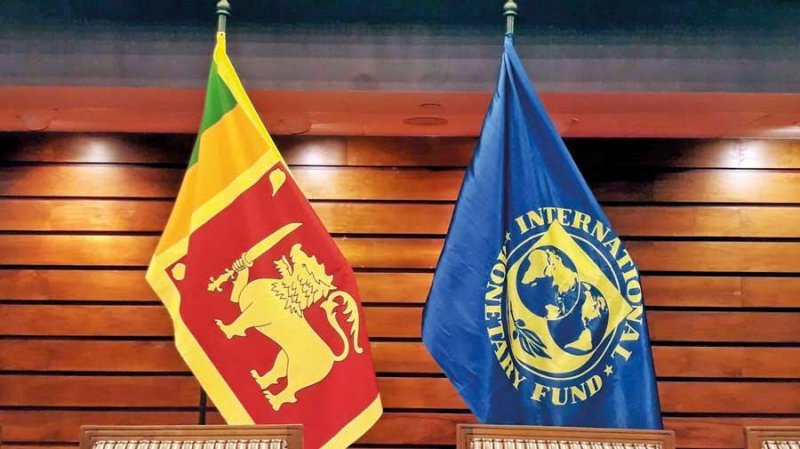
The International Monetary Fund has urged Sri Lanka to "stay the course" on its austerity programme, after the Middle East war and a surge in fuel prices knocked the islands recovery, at the close of a fund mission to Colombo.
A team led by Evan Papageorgiou visited the capital from 24 to 30 June to take stock of recent developments and assess progress under the Extended Fund Facility (EFF), the roughly 3 billion US dollar arrangement that has underpinned Sri Lankas recovery since 2023. Formal judgement on the governments performance will come at the programmes Seventh Review, expected in the autumn.
The external shock dominated the missions findings. "The Middle East war has weighed on Sri Lankas economy. Headline inflation rose from 1.6 percent y/y in February 2026 to 5.5 percent y/y in May following energy price increases," Papageorgiou said, with fuel prices climbing by around 50 per cent to near-record levels. Tourist arrivals growth softened and the accumulation of foreign reserves slowed. In response, the Central Bank of Sri Lanka raised its policy rate by 100 basis points and deployed macroprudential measures, while the government rolled out a temporary relief package of fuel, electricity and fertiliser subsidies alongside cash transfers to the most vulnerable households.
The funds central message, however, was one of continuity. "Looking ahead, the priority is clear – Stay the course and sustain the reform momentum," Papageorgiou told reporters on Tuesday. "External shocks can come and go, but sustaining the reform momentum is what will determine whether Sri Lanka can continue the path forward." The IMF has already relaxed some programme targets to accommodate slower growth and tighter monetary policy in the wake of the shock.
Behind that message lies a demanding agenda. The fund pressed Colombo to revert, after fiscal easing this year, to a primary balance surplus of 2.3 per cent of GDP in 2027, to broaden the tax base and improve tax compliance, to press ahead with the restructuring of loss-making state-owned enterprises, and to hold to cost-recovery pricing for energy.
Reform of the state giants has in practice lagged, with critical restructuring at SriLankan Airlines, the Ceylon Petroleum Corporation and the Ceylon Electricity Board repeatedly delayed. The mission met Sri Lankas president and finance minister, Anura Kumara Dissanayake, the prime minister, Harini Amarasuriya, and senior Treasury and central bank officials.
The EFF was agreed in 2023, in the aftermath of the 2022 economic collapse, the worst since independence, when a bankrupt Sri Lanka defaulted on its foreign debt and ran short of dollars for fuel, food and medicine. The programme has been credited with stabilising the macroeconomic position and taming inflation, but it has done so through significant austerity, tax increases, cuts to public spending and repeated rises in utility prices, whose weight has fallen hardest on the poorest households.
Even as the fund insists on fiscal discipline, cost-recovery pricing and a return to primary surpluses, the Sri Lankan state has continued to shield its military budget, one of its single largest expenditures, from the austerity imposed almost everywhere else.
மேலும் படிக்க »
இந்த செய்தியைப் பற்றிய கருத்தை பதிவு செய்யுங்கள். மேலும் இந்த செய்தியை உங்கள் நண்பர்களுடன் பகிர்ந்து கொள்ளுங்கள்.