Sri Lanka’s president urges Buddhist revival
Sri Lanka’s president urges Buddhist revival by Thusiyan
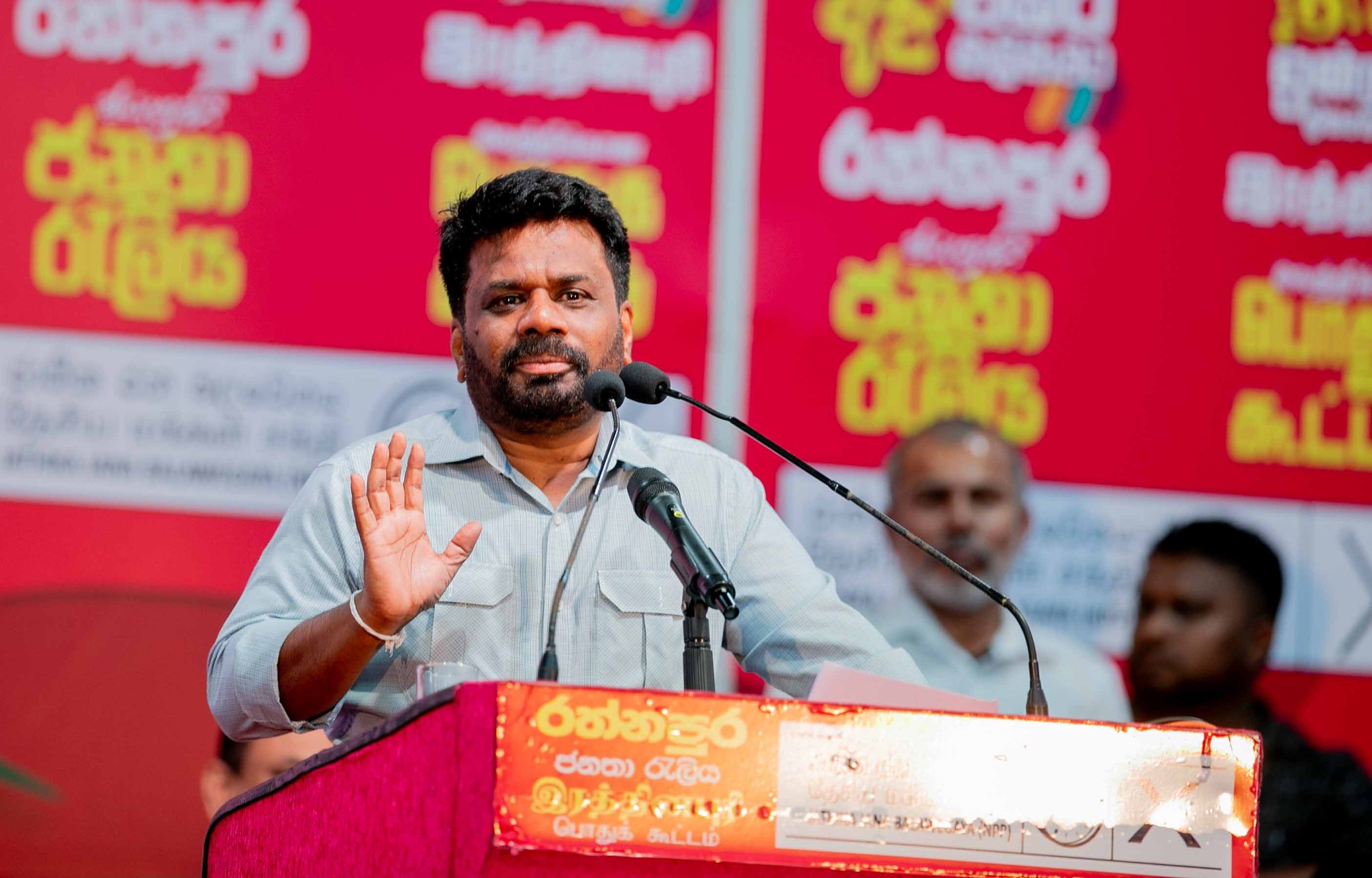
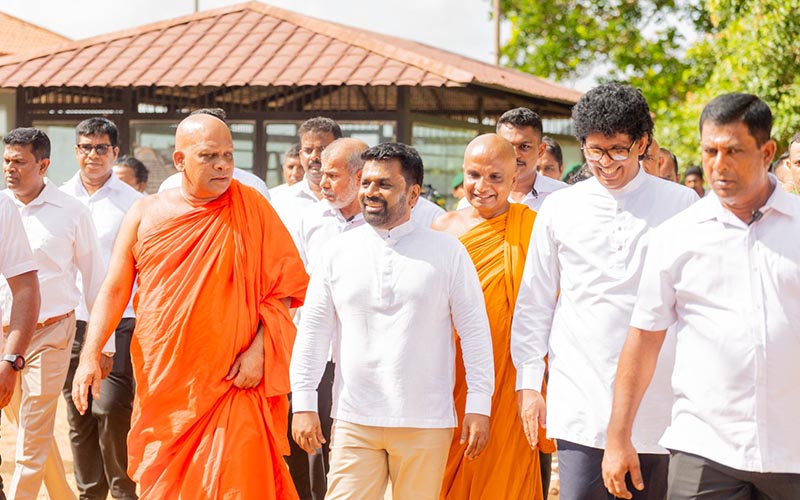
Sri Lankan president Anura Kumara Dissanayake used his Poson Full Moon Poya Day message to call for the revival of Buddhist values, as he moved to further position himself alongside the islands powerful Buddhist clergy.
Marking the Buddhist festival, Dissanayake said that it was on a Poson day that Buddhism was brought to the island, describing it as a moment that sparked both "a spiritual awakening and a far-reaching social transformation".
He went on to describe how Buddhism shaped Sri Lanka’s cultural, social and political order.
“As the present-day heirs to such a glorious and noble heritage, we all bear an inescapable responsibility to revive the values and moral principles that are gradually fading from society and to work together towards building a civilised State.
In this endeavour, we are already engaged in the struggle to restore civility across all spheres of public life, including Parliament and State institutions.”
"By re-establishing on Sri Lankan soil the proud legacy of the civilised society that came with Buddhism, let us join hands with unwavering determination to build a modern and enlightened State founded upon the ethical, social and environmental values that our nation so urgently requires.”
He added, “I therefore invite all citizens to unite in this noble endeavour with strength and conviction.”
Dissanayake concluded his message by stating, “May this sacred Poson Festival illuminate every heart with compassion, loving-kindness and wisdom.”
His latest remarks echo comments made at the National Poson Festival last year, where he admitted to the “collapse” of Sri Lanka’s social structure and systemic corruption across public institutions, while pointing to Buddhism as “the foundation for a disciplined and culturally sophisticated nation”.
For Tamils in the North-East, Dissanayake’s repeated invocation of Buddhism as a civilisational and moral foundation, illustrates his backing of Sinhala-Buddhist majoritarianism.
Across the North-East, Tamils have repeatedly raised alarm over the construction and expansion of Buddhist structures in areas with little or no Sinhala Buddhist population, often on or near Tamil-owned land, Hindu sites and areas under military occupation.
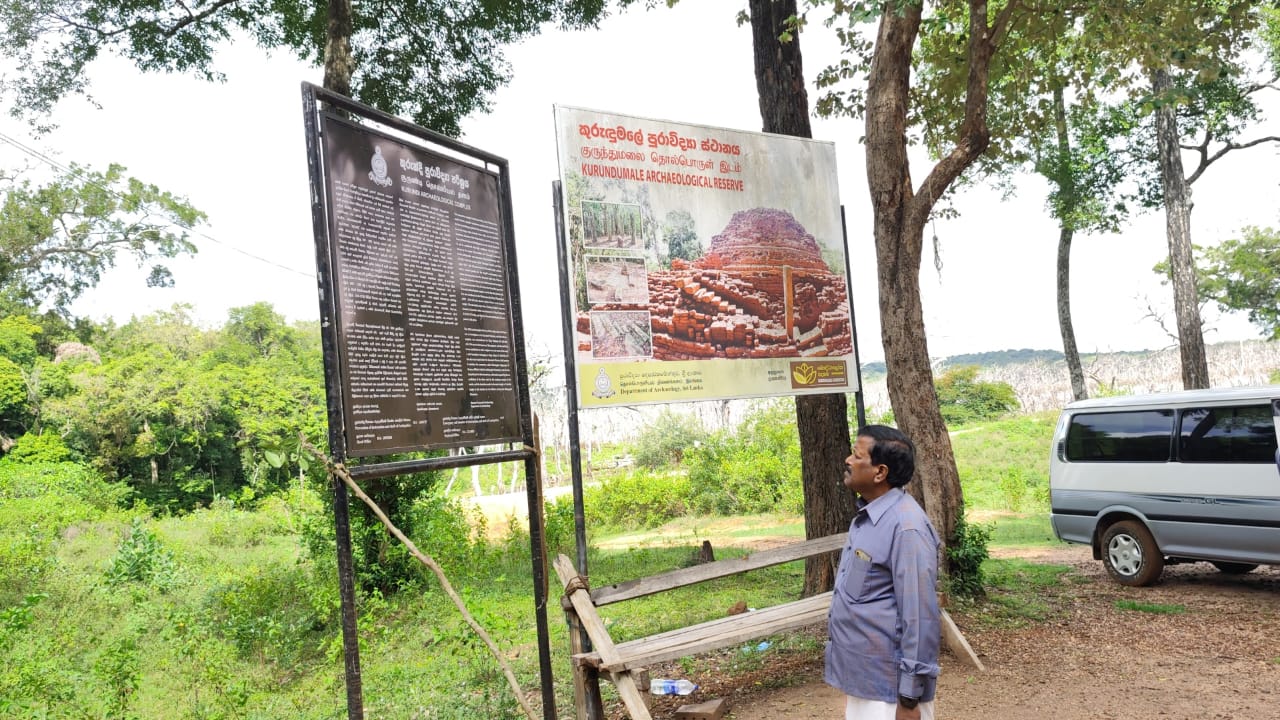
At Kurunthur Malai in Mullaitivu for example, Sri Lanka’s acting head of archaeology recently claimed that no evidence exists of a Hindu temple ever having stood at the site and refused permission for the Tamil shrine to be rebuilt.
The hill is home to the Athi Aiyanar temple, where Tamil families have worshipped Adi Sivan Aiyanar for generations. Over recent years, the site has been at the centre of a sustained attempt to reframe the hilltop as a Sinhala Buddhist site, with Buddhist monks, the Department of Archaeology and the Sri Lankan military involved in the construction of a Buddhist vihara and the consecration of a Buddha statue.

Similar concerns have continued in Thaiyiddy in Jaffna, where Tamil landowners have held repeated protests against an illegal Buddhist vihara built on land they say was forcibly appropriated from them.
The land where the Tissa Vihara now stands was originally home to Tamil families who were displaced during the war. After the area was occupied by the Sri Lankan military and declared part of a high-security zone, residents were prevented from returning, while the Buddhist structure was later built on the seized land. Protests at Thaiyiddy have been met with heavy police deployments, surveillance and arrests. Tamil residents, civil society activists and religious figures have repeatedly demanded the return of their land and the removal of the temple structure.

Earlier this month, two Tamil youths from Jaffna were arrested after reportedly taking photographs near the controversial Thaiyiddy Vihara, further fuelling concerns over the policing of Tamil opposition to state-backed Buddhist encroachment.
Social justice activist Rev. Fr. M. Sathivel has also challenged Dissanayake directly over Thaiyiddy, questioning why a Sri Lankan president who speaks of equality before the law has not acted to dismantle the unlawful structure and return occupied private Tamil lands.
Against that backdrop, Dissanayake’s Poson message has renewed scrutiny over how the Sri Lankan state presents Buddhism as a source of ethics and civility while continuing to protect, promote or tolerate Buddhist expansion in the Tamil homeland.
மேலும் படிக்க »
இந்த செய்தியைப் பற்றிய கருத்தை பதிவு செய்யுங்கள். மேலும் இந்த செய்தியை உங்கள் நண்பர்களுடன் பகிர்ந்து கொள்ளுங்கள்.